
By Martin Zähringer & Jane Tversted
„The first thing you need to know about New York: New York is a global city because 50% of its inhabitants were born in another country. And most of the remaining 50% are their children, including myself.“
Eliot Weinberger, writer, essayist, translator
PART I
LIVING, WRITING, INTEGRATING
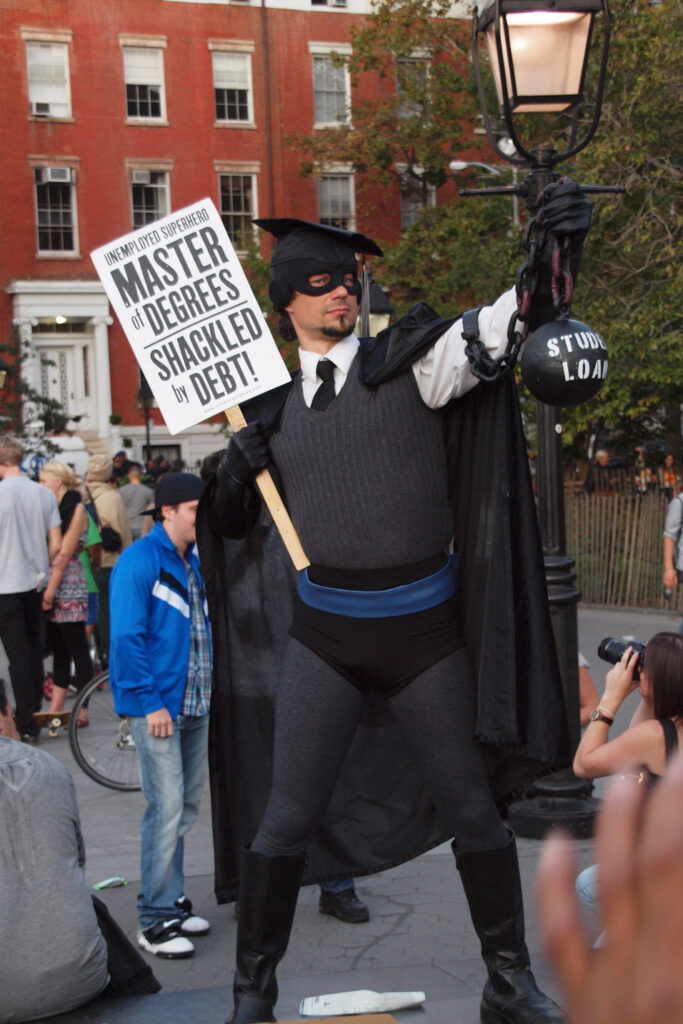
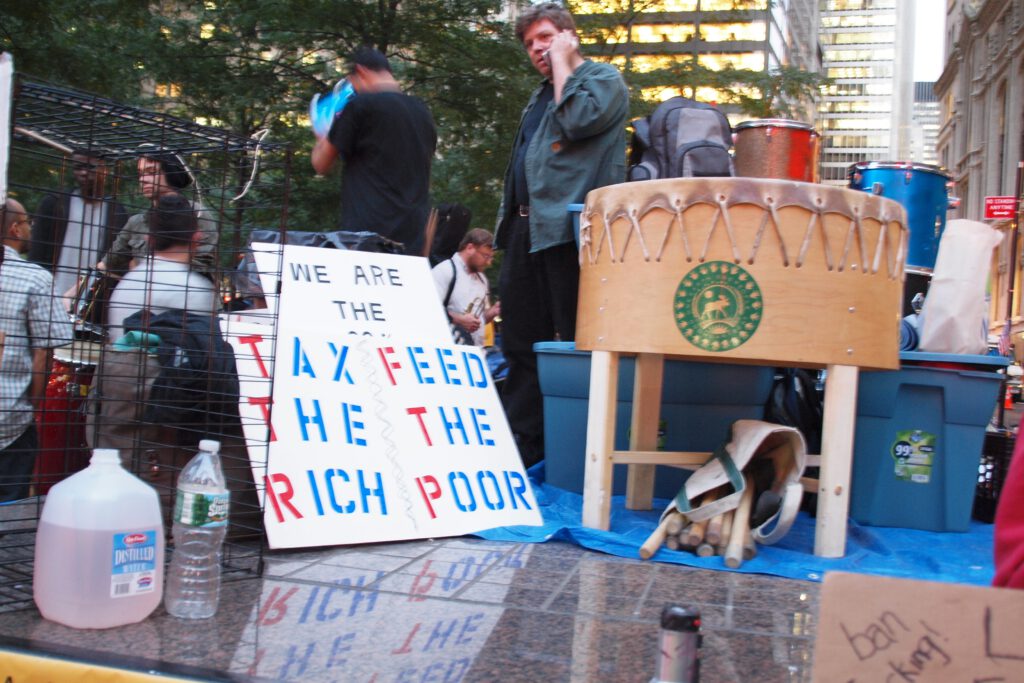
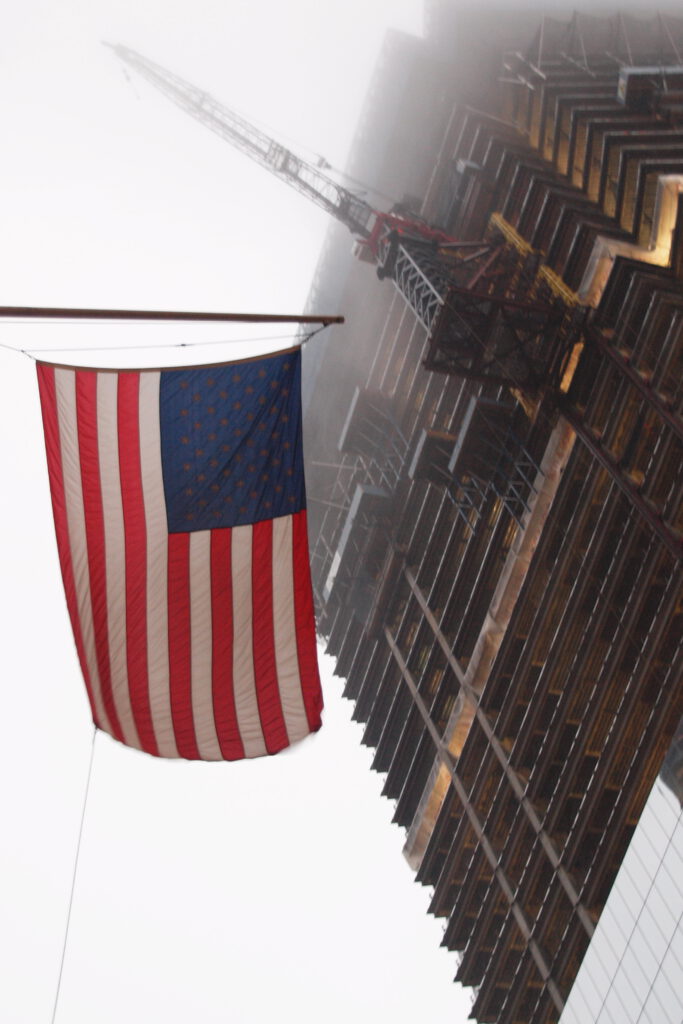
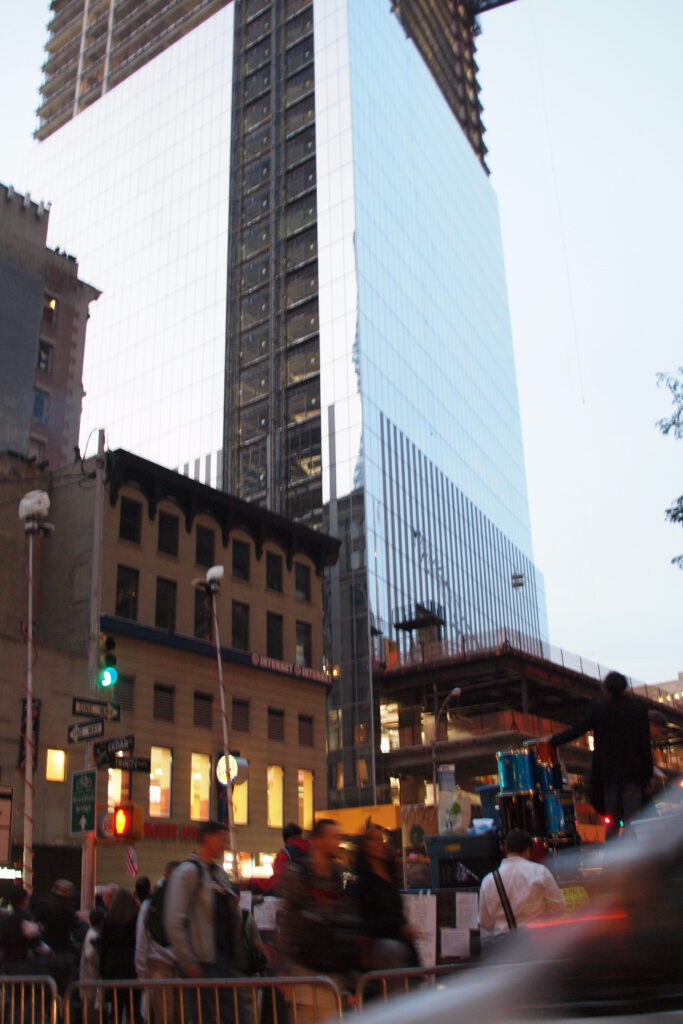
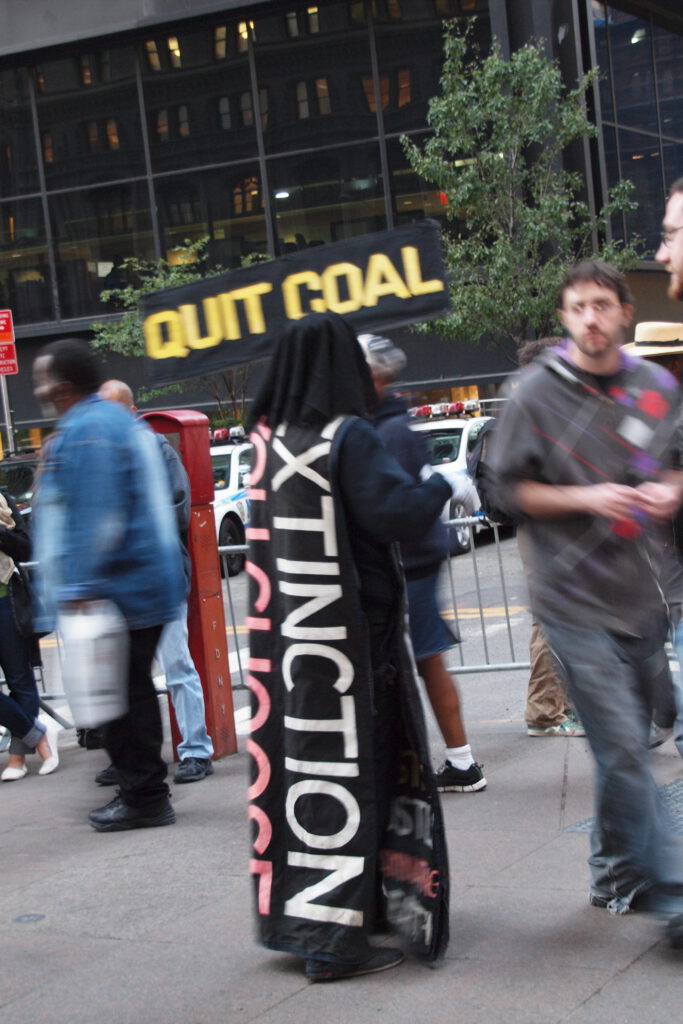
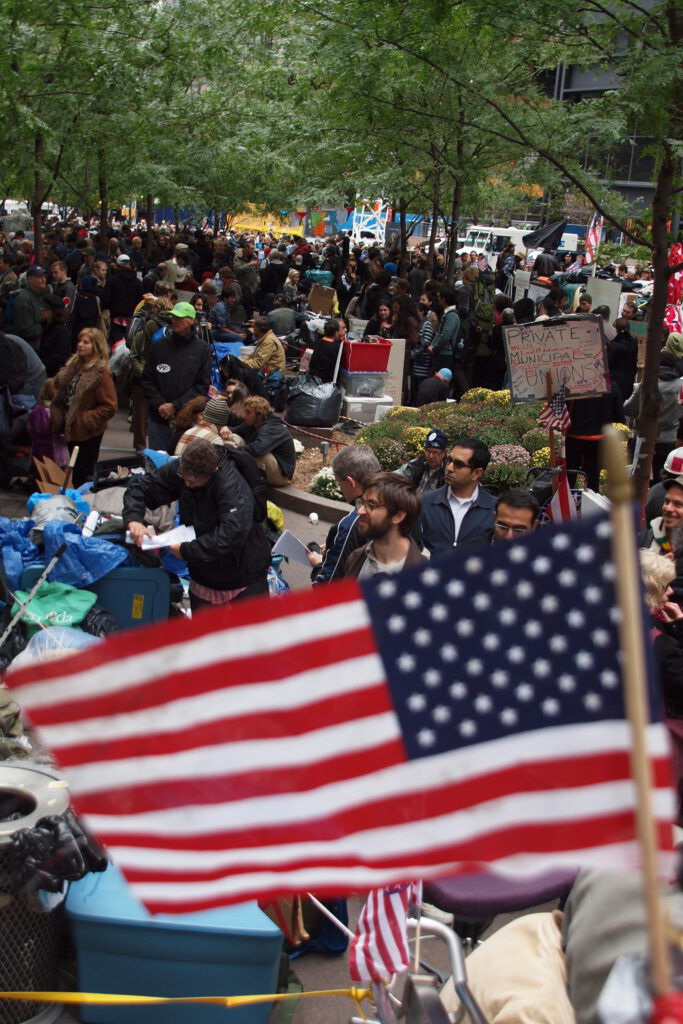
New York is the metropolis of cosmopolitans and immigrants. Its population comes from every continent and country in the world, giving the city a unique cultural flair. Of course, world harmony has not broken out in New York either. For months, Occupy Wall Street demonstrated in the center of the financial capital how deep the gap between rich and poor in America has become. Nevertheless, New York is sending out very specific signals, for example in the shadow of the growing Freedom Towers at Zucotti Park, the center of the protests.
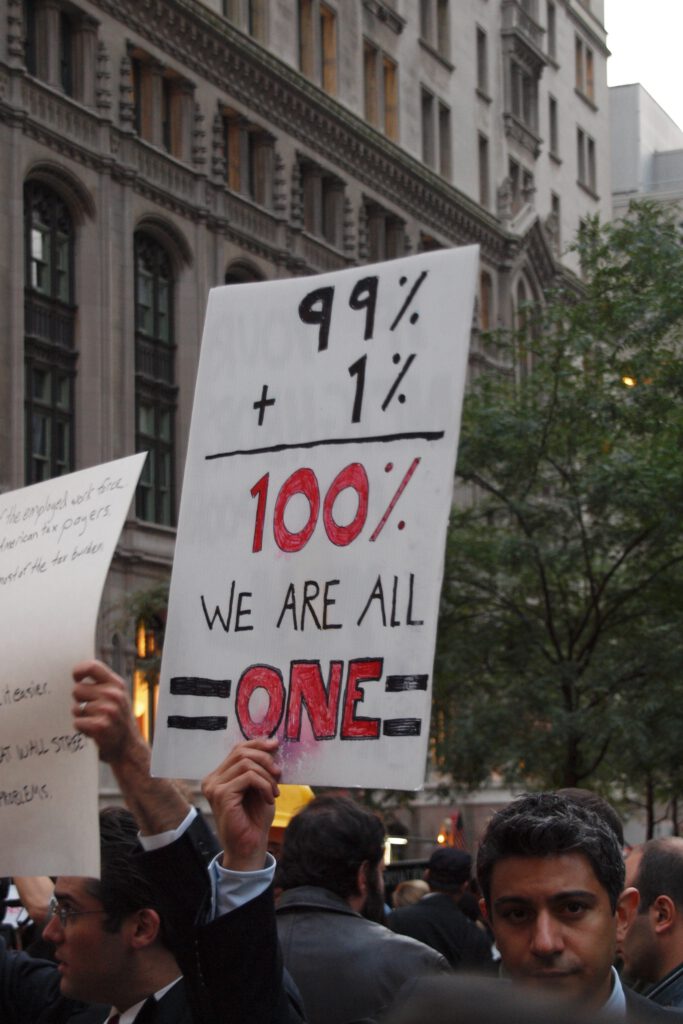
There, a young banker was seen holding a sign that read: 99% + 1% = 100% – meaning that a nation is nothing without its bankers. This is a rather unusual idea of inclusion and is doubted by the protesters, who see themselves as representatives of the 99%. But the unperturbed presence of the young banker points to the unwavering tolerance of New Yorkers.
The writer Eliot Weinberger describes his sense of New York identity as follows:
„My experience is not that of the American frontiersman, nor that of all the other myths of the United States. I actually feel more like part of the world than part of America.“
It suits him very well that New York is, as he says, extremely isolated from the rest of the United States:
„I think New York should secede from the United States and become a city-state like Singapore or something similar.“
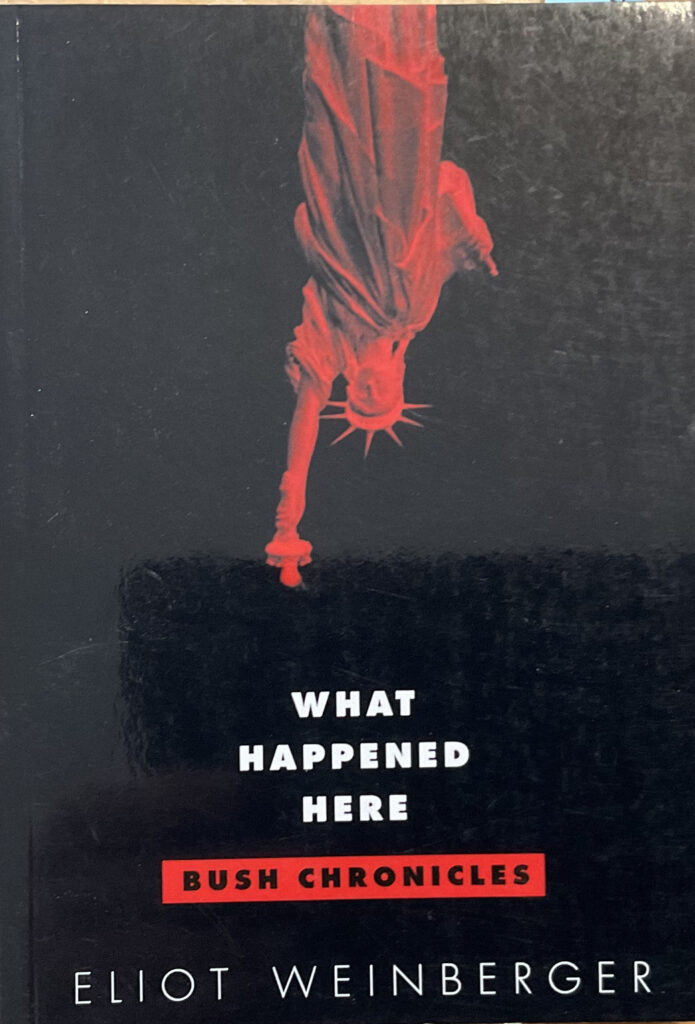
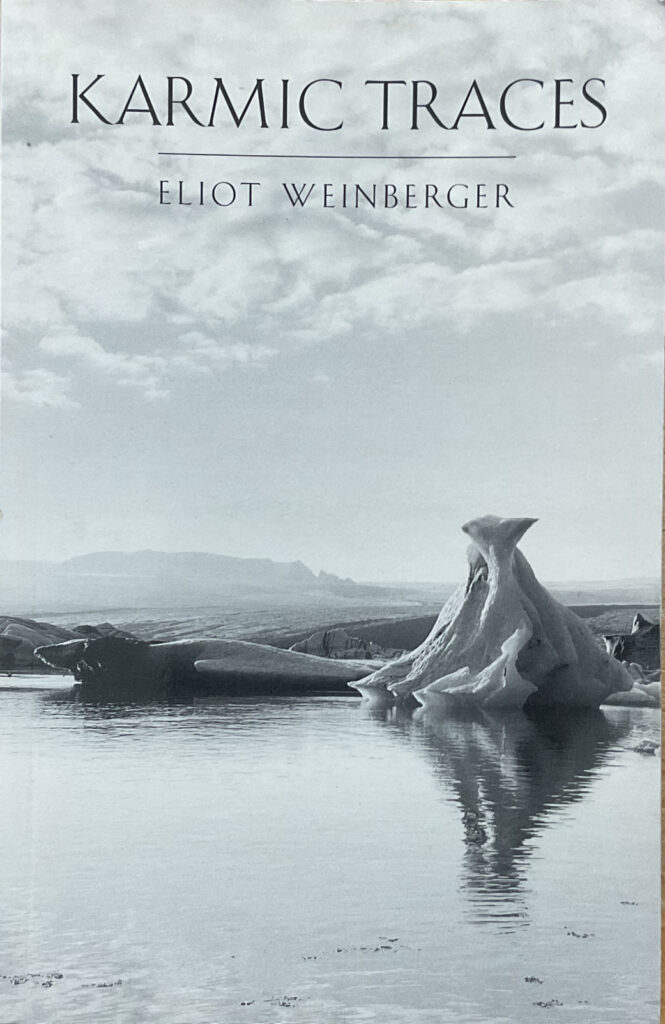
Eliot Weinberger laughs as he says this, but he is a true witness to New Yorkers‘ liberalism. He has lived in Manhattan since birth, spending the last three decades in a neat little house in the West Village, where he translates from Chinese and Spanish and writes cultural-archaeological essays.
He is not shy about voicing sharp polemics against the Bush administration, and his essay „What I Heard About Iraq,“ published in and read on every continent, launched the tradition of World Readings by the Peter Weiss Foundation and the International Literature Festival Berlin.
Weinberger is global, he travels the world extensively and is particularly familiar with one cultural divide:
„Normally, what happens in America is completely foreign to the way New Yorkers think.“
The cultural divide is currently most evident in the issue of immigration. A New Yorker with his credo „We are all foreigners!“ must regard the racist immigration legislation of the state of Arizona as a direct attack on his very existence. Arizona Senate Bill 1070 requires Arizona police officers to check the identity of people who look like they could be illegal immigrants. In the border region with Mexico, this naturally includes anyone who looks Mexican or other Hispanic from the southern part of the continent.
Since almost a fifth of the US population is Hispanic, whether with or without the required papers, the legislative maneuvers of exclusion and the political smear campaigns against Hispanic Americans seem almost tragically absurd.
In 2011 we were looking for a current snapshot of the mood surrounding integration, immigration, and globalization in New York. Coincidentally, we also witnessed Occupy Wall Street, but our sources were mainly people from the literary and cultural scene, and we found an impressive statement on Arizona Bill 1070 purely by chance at the Nuyorican Poets Café on Manhattan’s Lower East Side.
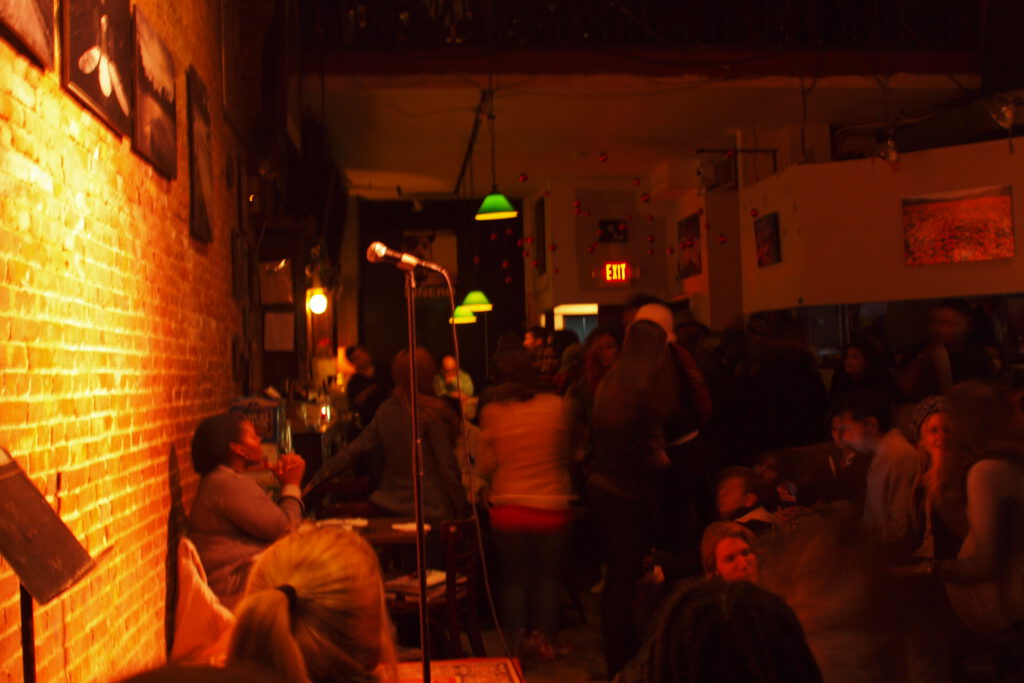
There, slam poet Jared Singer recited this poem at one of the Friday night slams:
„Ben Franklin once said / Democracy is two wolves and a lamb / deciding what to have for lunch / and justice is a well-armed lamb / He said a good American is someone / who would never stand by and watch his country do something stupid /: The state of Arizona recently passed a law / that not only allows but requires its police officers / to check on anyone who might be an illegal immigrant. / For the first time since „separate but equal“ was recognized as „fundamentally unequal,“ / it has legalized racial profiling. / This is a letter to the state of Arizona from the American flag. / Please, I beg you—take me down and burn me!“
Jared Singer recited his protest poem at a historic location. Part of the Lower East Side, with its simple tenements, was known as Little Germany in the 19th century. Later, Eastern European immigrants arrived, and finally the refugees of the so-called Great Migration arrived. These are members of the six million African Americans who have left the southern United States since the beginning of the 20th century and who have also significantly changed the face of New York—Harlem, Brooklyn, and the Bronx are their characteristic neighborhoods in the north.
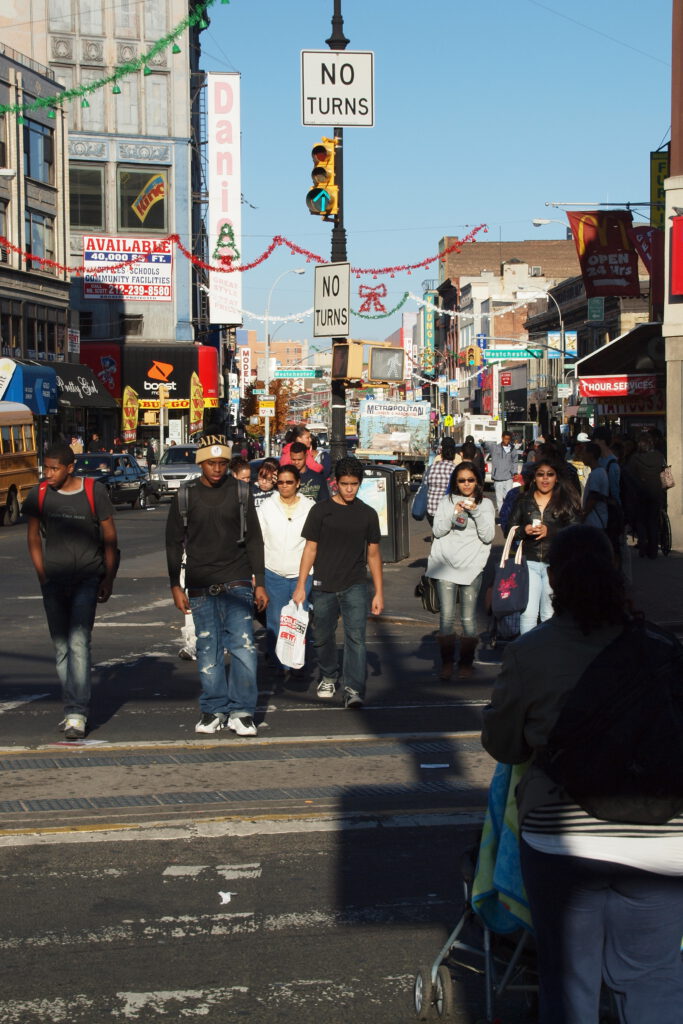
The Great Migration also includes immigrants from the associated Caribbean free state of Puerto Rico, whose citizens have had American citizenship since 1917. The Puerto Ricans in New York initially settled in the south on the Lower East Side. Known as Nuyoricans, they are the founders of a self-confident cultural and literary scene. Their Nuyorican Poets Café (NYPC) was founded almost forty years ago as a living room club, and today it is a multicultural arena for Latin jazz and off-off-Broadway theater – and above all for the slam poetry scene.
Daniel Gallant is the managing director of the NYPC. He reports on a development that can be considered a prime example of urban integration culture:
„It started as a project with a clear local connection; in terms of its concept, it was part of the grassroots movement. But we are constantly surprised by the many guests and online visitors from all over the world, from Ghana, Ukraine, Mississippi, Hawaii, wherever.“
The audience has long since lost any homogeneous character; all races and classes come here, as Gallant says. It’s not far to the wealthier areas of Greenwich Village. The billion-dollar City University of New York, located there, is already scouring the East Village for real estate and has initiated a local gentrification process, not least with its swarming students from all over the world. Gallant doesn’t seem to be afraid of this; the building at 236 East 3rd Street belongs to the NYPC. So even here, as Gallant says, New York’s young bankers are perfectly tolerable in the audience.
Gallant, a trained cultural manager and dramaturge, is convinced of the enormous democratic possibilities of the spoken word:
„There is simply no other art form that compares in terms of accessibility, directness, and authenticity, and also the fact that anyone, really anyone, can do it. For the Friday slam, you have to overcome a few hurdles, but not too many, and practically anyone can sign up for the open mic on Mondays. And anyone who works on their poetry, whatever their background, can fight their way to the front of the line and make their voice heard.“
This sounds very much like a democratic forum, but above all, the Nuyorican Poets Café thrives on the tradition of New York inclusivity.
Slam poetry, from its beginnings in Chicago to the Lower East Side to the metropolises and remotest villages of the world, is unmistakably a global success. But the fact that a self-managed club like the Nuyorican Poets Café has been able to hold its own for so long in a challenging metropolis like New York is striking proof of its cultural and political relevance: the collective desire for language among minorities, immigrants, and the underprivileged finds expression even under the most adverse circumstances.
The silence must be broken. In recent American social and cultural history, the „Chicanos“ already made themselves heard across borders in this regard in the 1970s. The novels that emerged in the wake of the cultural self-empowerment of Mexican immigrants were even translated into German to a considerable extent.
But there is one thing German readers did not learn: the politics and discourse behind these immigrant stories have significantly changed the educational landscape of the United States. The path led directly from the radical Chicano movement to the academic Chicano studies and creative writing programs of our time. But even today—with almost 30% of New Yorkers and over 50 million Americans being Hispanic Americans—the white middle-class subject remains part of the exclusive basic equipment of a European imagination of America.
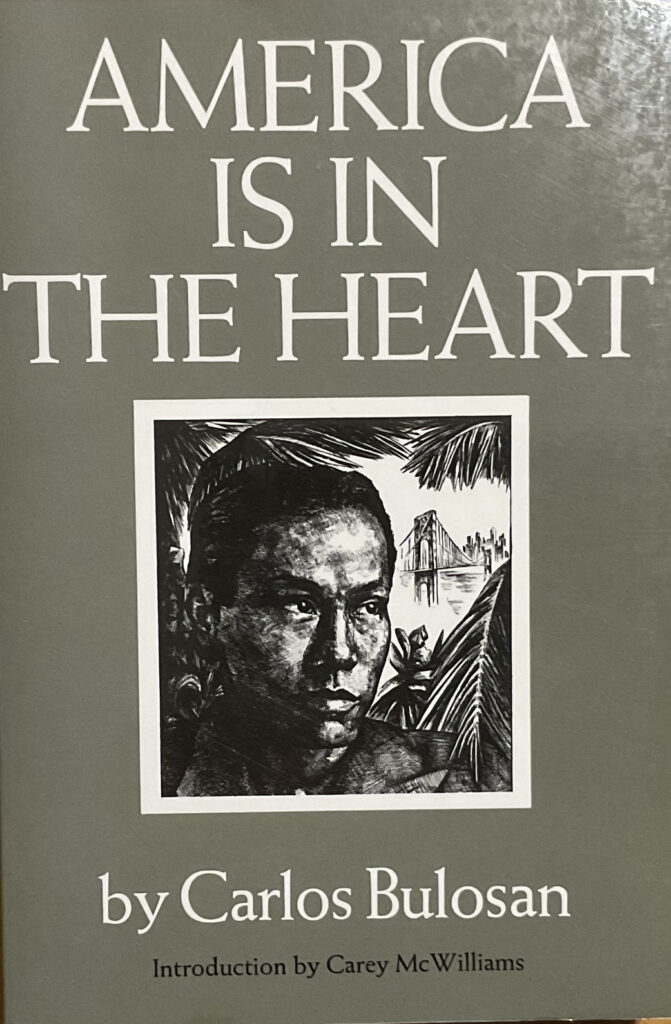
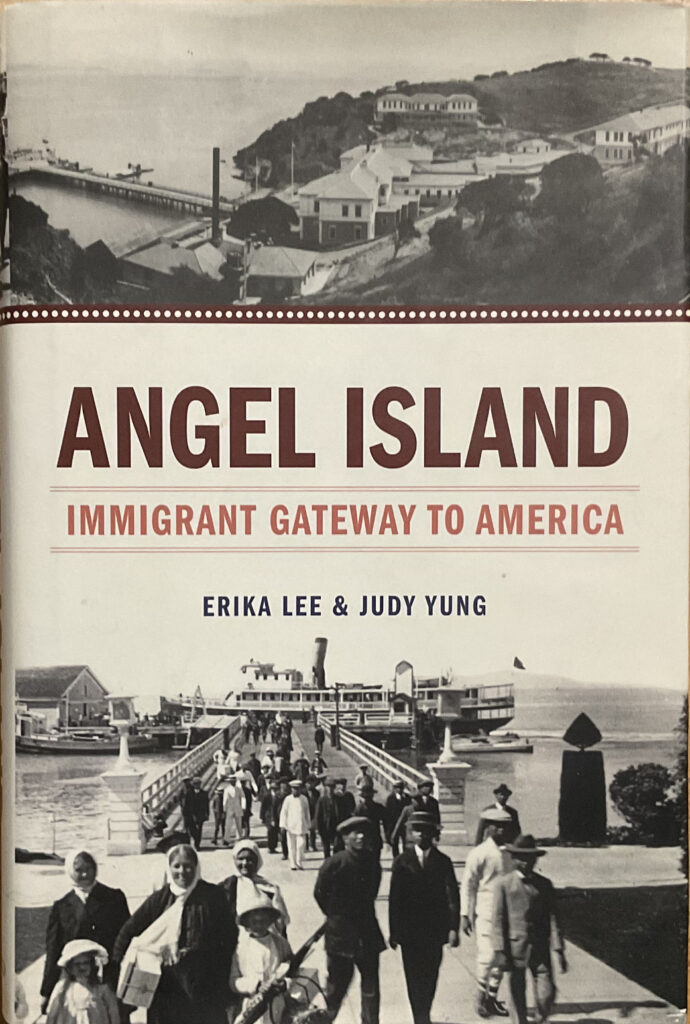
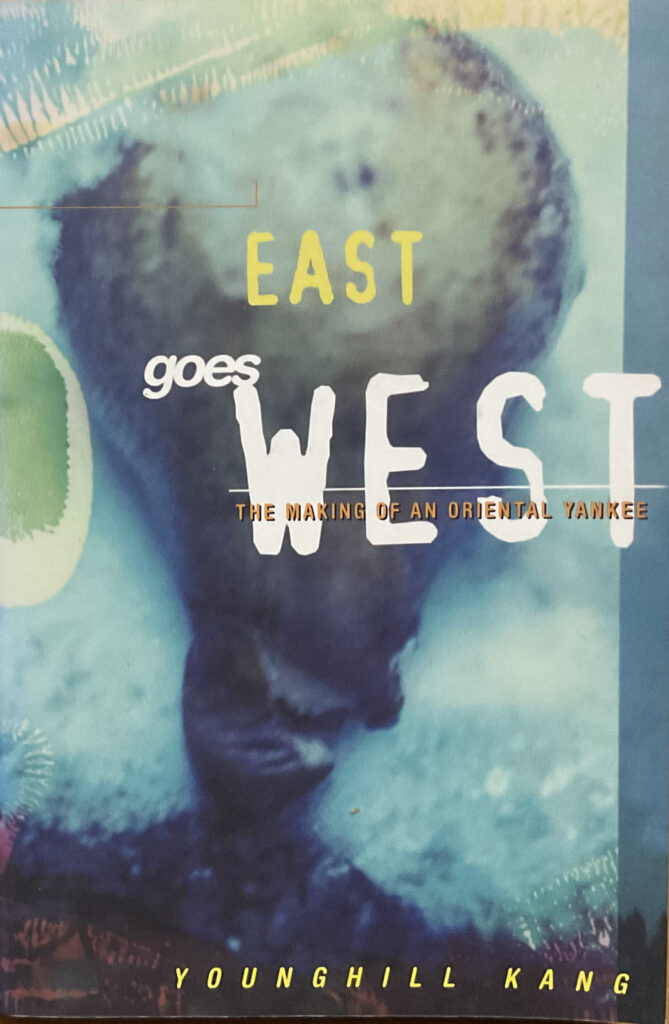
This is strange, because this American subject is currently threatened with extinction. There are fewer and fewer real prospects between tax-privileged billionaires and the unemployed, or the 7 million former homeowners who now find themselves in large numbers in improvised tent cities in America’s forests. This decline is where the racist attacks of the Tea Party draw their fatal power, and even if they are not so well received in New York, their discordant signals are being heard.
One of the shrillest trumpet blasts from the right wing is Arizona Bill 1070. It is based on a radical rollback that negates the broad principle of integration and inclusion. In New York, they are also calling on Asian Americans to take action.