

By Martin Zähringer & Jane Tversted
„I think New York is a fantastic place for immigrants. Because once you land in New York, you’re a New Yorker. Not an American, not a German, not a Taiwanese – you’re a New Yorker. And that’s what makes New York so wonderful – anyone can be a New Yorker.“
Lee Mingwei, Artist in New York
PART II
Writing Across the Borders
Alongside Hispanic Americans, Asian Americans are the second largest group of the approximately 20 million new immigrants who came to the US after the Hart-Celler Immigration Act of 1965. One of their most influential institutions is the Asian American Writers Workshop (AAWW), based in New York. Founded in 1991 to promote Asian American culture, the workshop is now a dynamic association operating throughout America.
Among other places, in Arizona, where „Culturestrike,“ a 50-member action group of intellectuals, artists, and writers, showed solidarity with the harassed immigrants and local activists. Culturestrike reported on the Arizona experience at the 3rd Page Turner Literature Festival in Brooklyn, organized by the AAWW. Its president, Ken Chen, characterizes his organization as follows:
„The vision of the Asian American Writers Workshop is this: we see ourselves as 100% New Yorkers, but at the same time we are 100% transnational. What we consider Asian American identity is a way of being or becoming global citizens.“
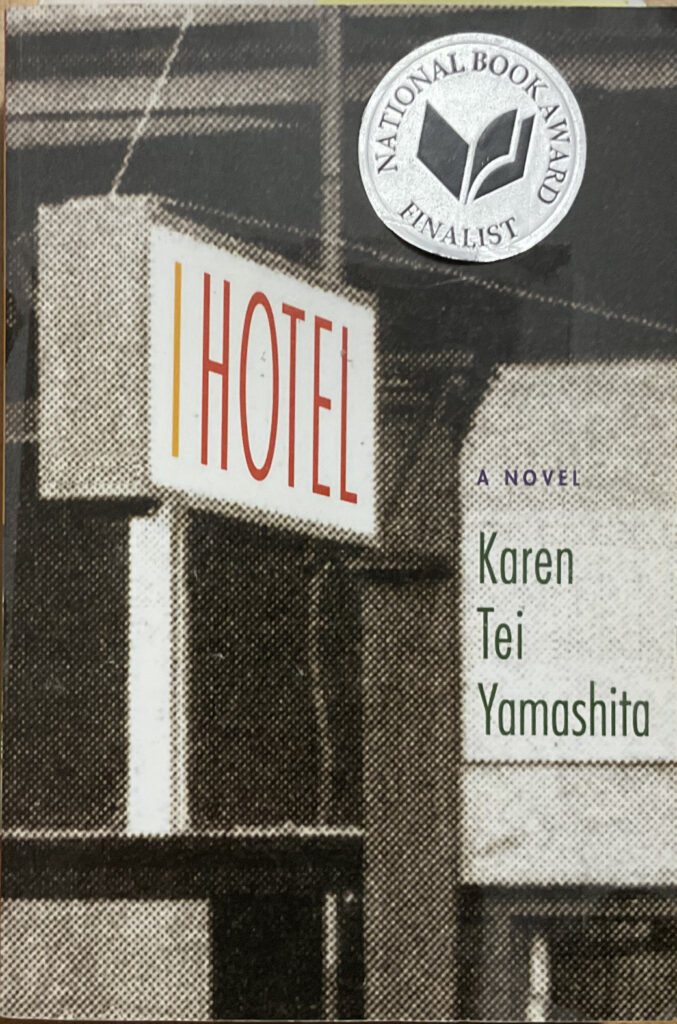
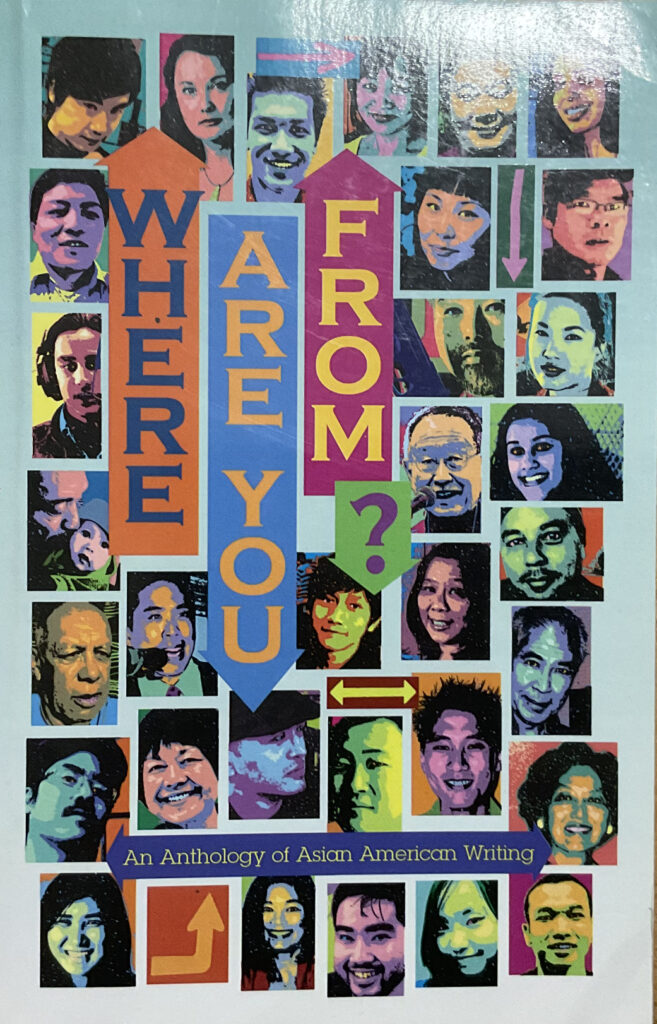
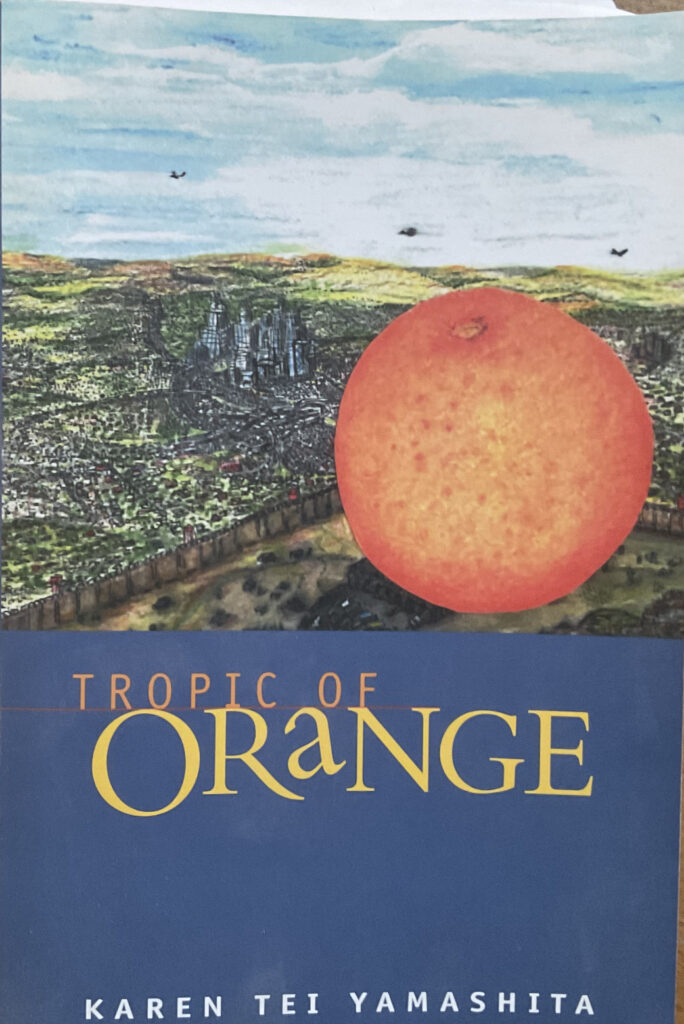
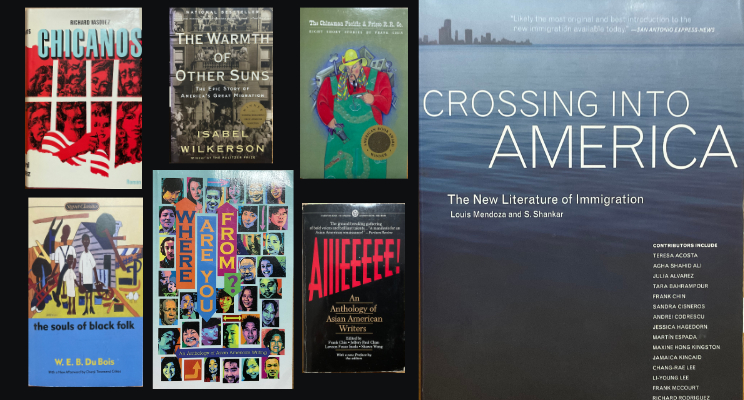
In literature, this has led to a noticeable paradigm shift for some time now, both in terms of the presence of immigrant literature and—much like in the academic sector—in terms of forms, writing styles, and educational practices. Asian American writers and poets represent an exciting cultural-geographical space. China, Japan, Korea, Indonesia, Thailand, the Philippines, and Vietnam are the countries of origin of Asian Americans, and their themes include the hardships of assimilation, the American promise of happiness, and the global lifestyle.
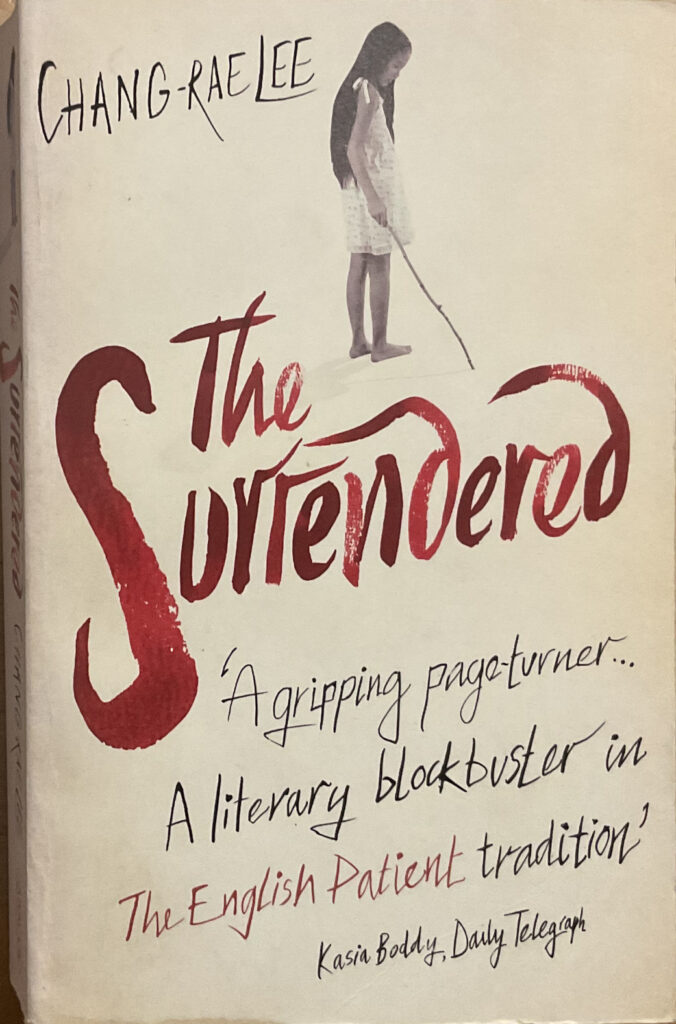
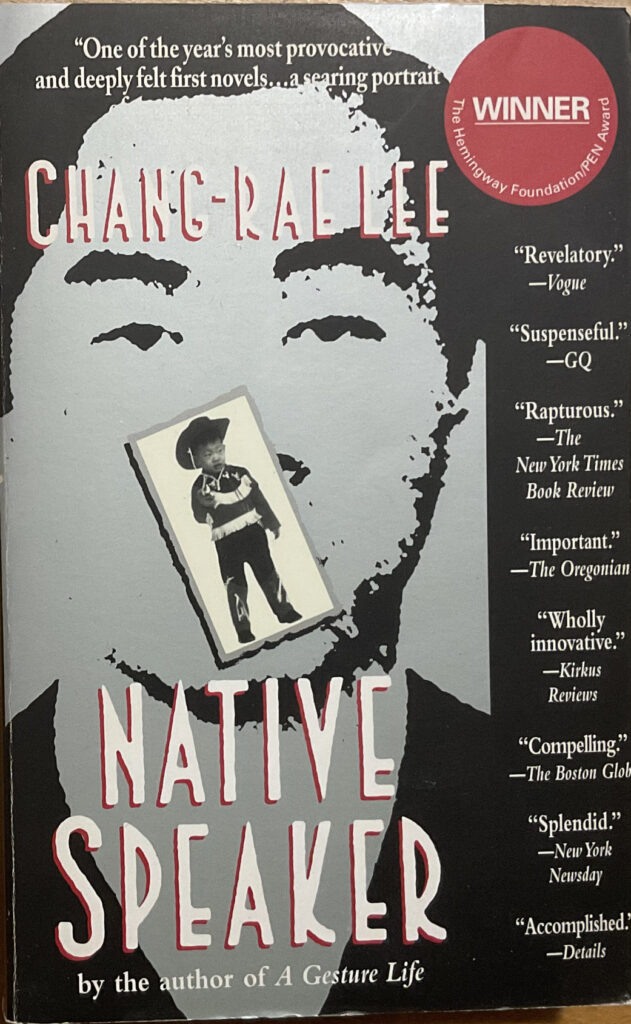
It is a sprawling scene that is by no means hidden in an immigrant literary ghetto. Korean-born novelist and creative writing lecturer Chang-rae Lee identifies a problem:
„Sometimes it frustrates me when people think that I write about very specific things in a very specific way because I am Asian American. If you take a closer look at Asian American literature, both poetry and fiction, you will find great diversity and polyphony and very different themes. Sometimes these authors don’t deal with Asian American themes at all.“
That’s the crux of the matter: many immigrant writers don’t want to be writers at all and prefer to see themselves, if not as national writers, then as part of a global bohemian scene. Chang-rae Lee certainly deals with Asian themes, but in doing so he transcends national and cultural horizons. While he himself comes from Korea, the narrator in his novel „The Other Half of Himself“ is a Japanese immigrant. As a perfectly assimilated businessman in Queens, he is overwhelmed by memories of the Japanese-Korean War.
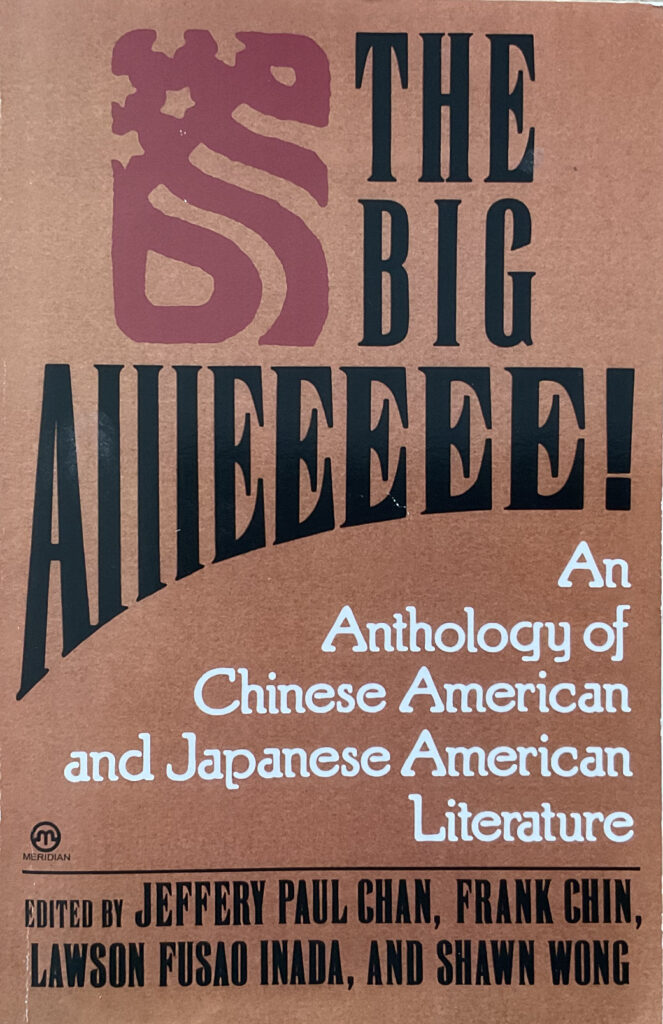
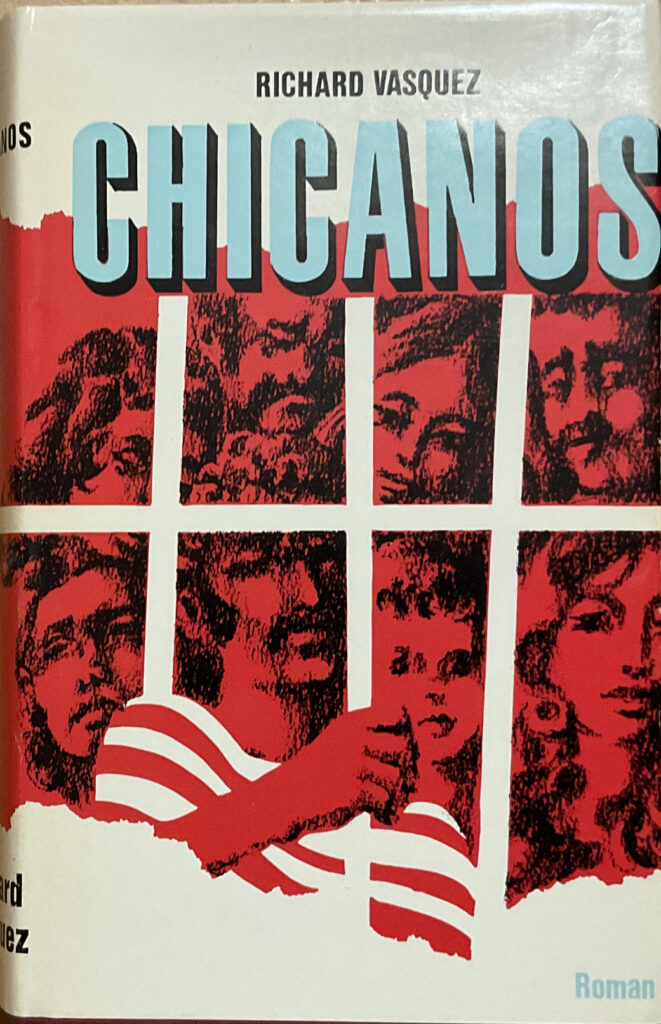
In this way, the author makes it clear how national historical themes are transformed from an immigrant’s perspective. For hyphenated Americans, history is no longer a national project, not even a binational one. History becomes a question of transnational or even global relations, a landscape of memory that is accessible from several sides at once.
New approaches are being sought here, as in Susan Choi’s novel American Woman. She enters the realm of American counterculture. Choi’s novel is based on the story of Patty Hearst, the daughter of a publisher, and the era of the revolutionary Symbionese Liberation Army (SLA). In the novel, the failed left-wing radicals continue their struggle by other means—they start a writing project, in the course of which dramatic developments take place.
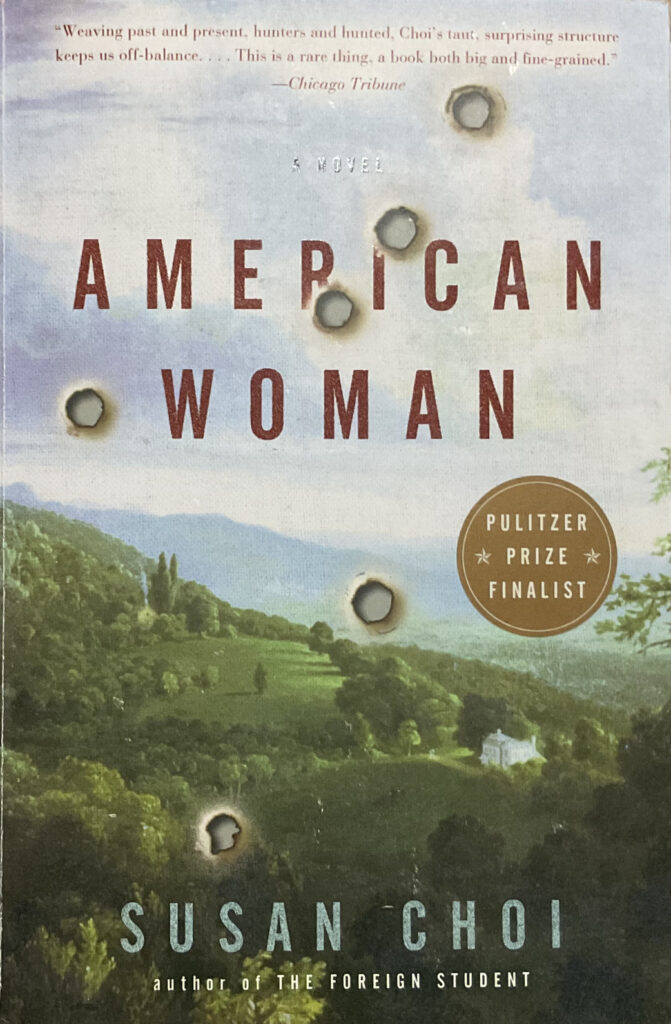
Choi’s novel is a literary reminder of a Japanese-American activist who went unnoticed in the media hype at the time. And, incidentally, it also reminds us of the great myth of the universal human being:
„Neither American nor Japanese, but a New Yorker—it was a romantic idea, he knew that. But San Francisco or Los Angeles had never meant anything like that to him. Perhaps California was too fraught with disappointment. He knew about the idea of New York as the city of immigrants, Ellis Island and the statue and the thousand tongues of Babel. But he was a Westerner, born with his back to the Pacific.“


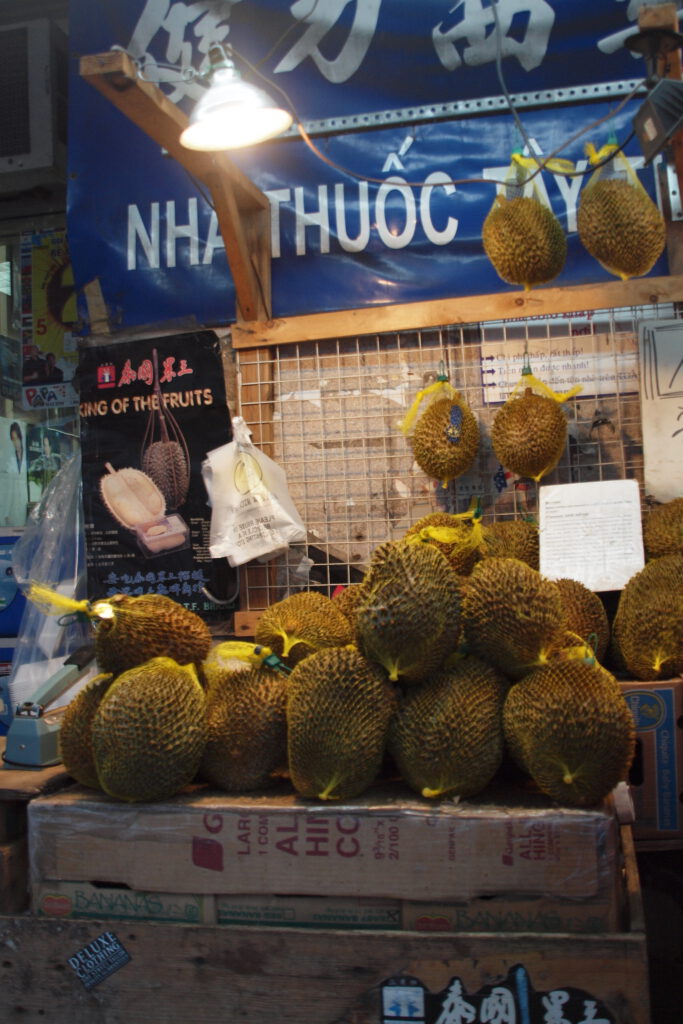
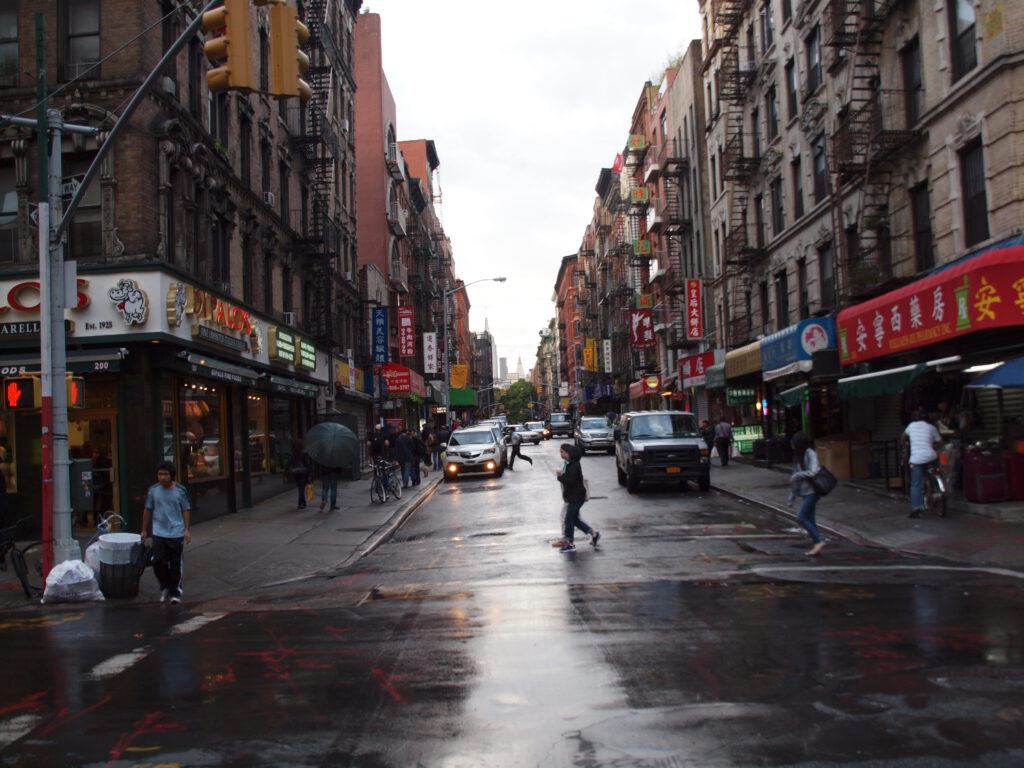
Although the majority of Asian Americans remain on the West Coast, many cannot resist the myth of New York. Of the eight million residents of New York City, over a million are Asian Americans. Many live in Flushing Queens or in Chinatown in southern Manhattan. 80% of the population in Chinatown are Asian Americans, and of the other residents, many are likely to be immigrants from neighboring Little Italy.
On the border with the bohemian district of SoHo, the attractively designed Museum of Americans in America (MOCA) has been located for three years. It was already involved in open cultural programs in the 1980s and has built up an impressive collection of historical documents and artifacts from the 200-year history of Chinese Americans.
Here, the lives of Chinese-American workers under the Johnson-Reed Immigration Act of 1924 are commemorated. This law was primarily intended to curb the number of immigrants from Southern and Eastern Europe at the time, but for Asians it meant even more: the Asian Exclusion Act excluded them from naturalization on the basis of their race.
Talk of inclusion today brings back painful memories for them. But in New York, most people believe in the myth of seamless integration into a cosmopolitan urban culture. Taiwanese conceptual artist Lee Mingwei, who initiated a diary project for MOCA on the theme of home and migration, describes the myth of New York in almost poetic terms:
„I think New York is a fantastic place for immigrants. Because once you land in New York, you’re a New Yorker. Not an American, not a German, not a Taiwanese – you’re a New Yorker. And that’s what makes New York so wonderful – anyone can be a New Yorker.“
But what is a New Yorker?


From the perspective of Asian Americans, „the New Yorker“ is just as difficult to define as, say, an Asian American. Ken Chen of the AAWW says:
„Asian American identity offers a unique perspective through which you learn to understand what those delicate, intangible multiple identities mean. […] If you are an immigrant, someone who lives in three different places, if you are an immigrant, then you know an identity that is much more delicate, intangible, that has different values at the same time, different forms of self, and that is something that almost every Asian American struggles with.“
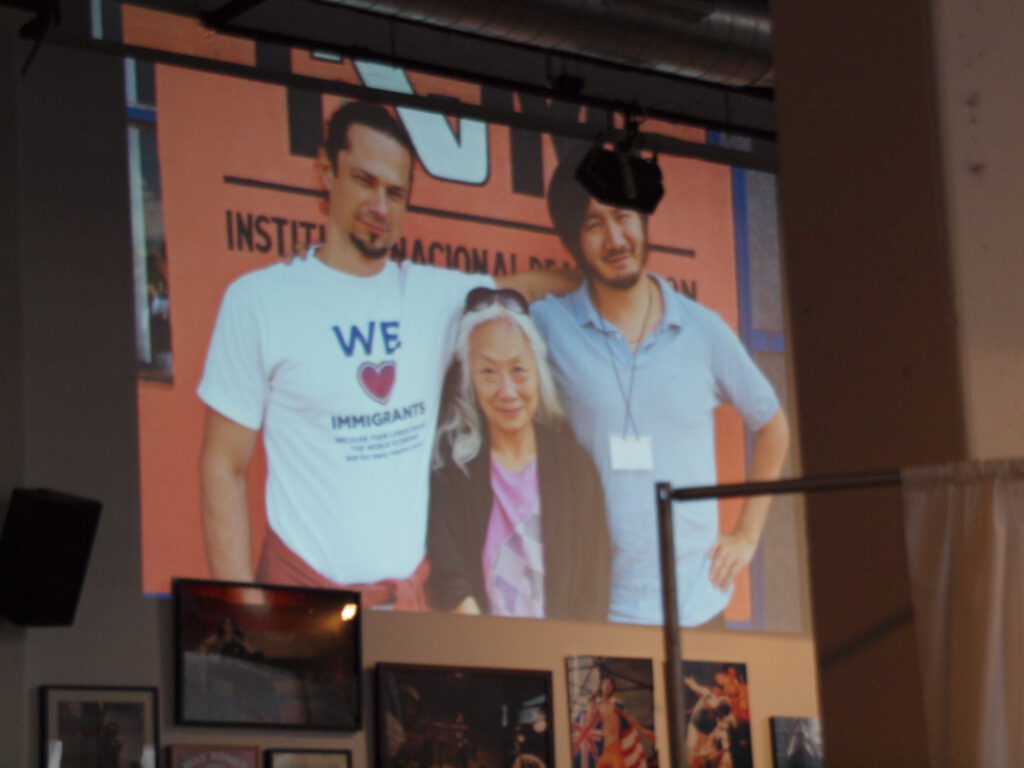
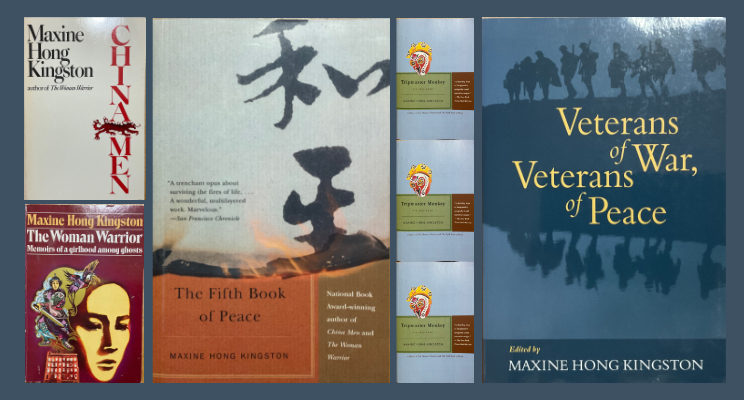
Maxine Hong Kingston with Ken Chen and another friend of immigrants
„There is a diversity of identities in all our lives“
For playwright and dramaturge David Henry Hwang, it looks like this:
„I am not an immigrant because I was born in America and therefore consider myself fundamentally an American writer. But I am also a Chinese-American. Anything is possible. You can be an American writer, an Asian-American writer, or a Chinese-American writer at the same time. I think the world has moved beyond the point where you could only have a single identity. I believe we have accepted that there is a diversity of identities in all our lives and experiences. And the way these identities combine in each individual is what makes them the person they are.“
A popular comedy entitled „Chinglish“ is currently playing on Broadway. Hwang, who was once involved in a Broadway export project for China that ultimately came to nothing, takes aim at Chinese-American business relations in this play. Here, the dramaturgical cultural exchange is geared toward import; Chinese characters, elements of Chinese folk opera, and, above all, a surprising amount of original Chinese text play a fairly large role on stage. This is completely new on Broadway, but it’s not really surprising.
It’s really funny how Hwang deals with the problem of translation in his comedy. It’s also interesting to see who laughs when. Theoretically, there should be noticeable differences depending on cultural influences, but the mixed New York audience laughs – apart from slight time differences – everywhere in the same way. Humor obviously trumps complicated cultural codes; comedy is universal. There are no ‚essential‘ multicultural blocks here; in New York, things work differently.
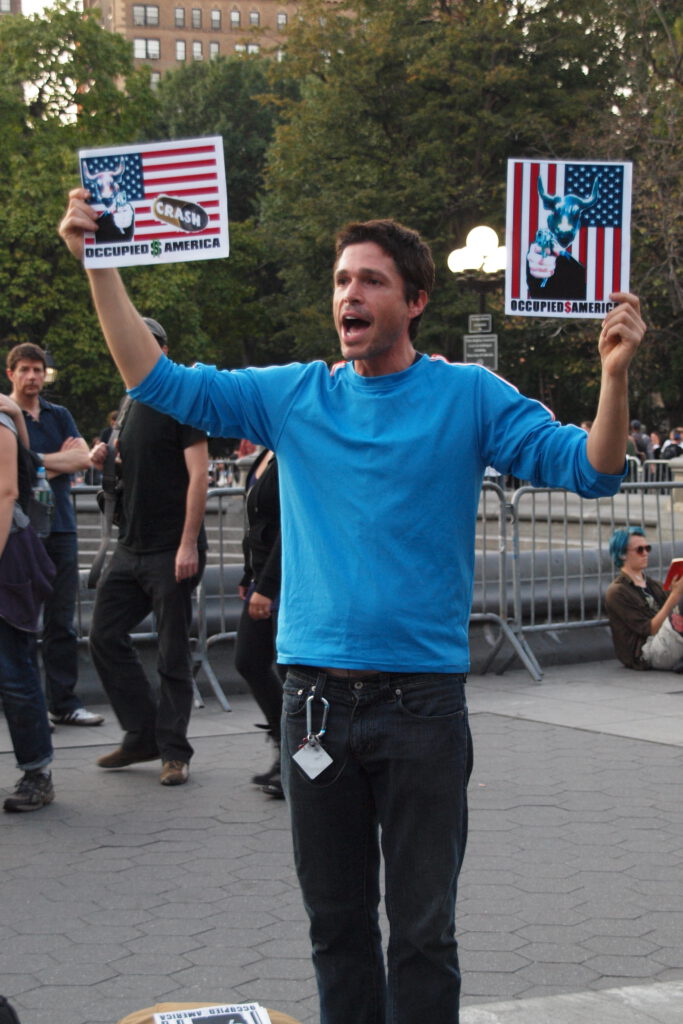
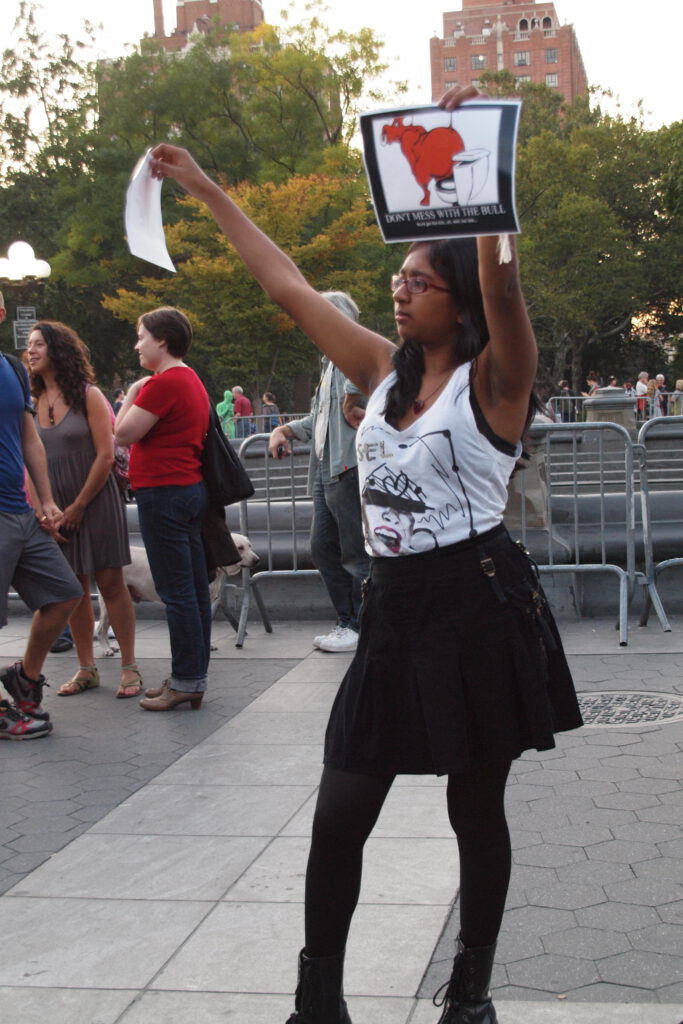
Postnational Authors
Eliot Weinberger—who is very interested in translating Asian authors into English—sometimes still thinks in the familiar category:
„Paradoxically, the rise of multiculturalism may have been the worst thing that could have happened to translation. The original multiculturalist critique of the Eurocentrism of the literary canon did not lead—as I had hoped, for example—to a new internationalism in which one would read Wordsworth alongside Wang Wei, the Greek anthology alongside Vidyakara’s treasure, Ono no Komachi alongside H.D. Instead, it led to a new form of nationalism that was salutary in its inclusion of what had previously been excluded, but which was strictly limited to Americans, even if hyphenated Americans now belonged.“
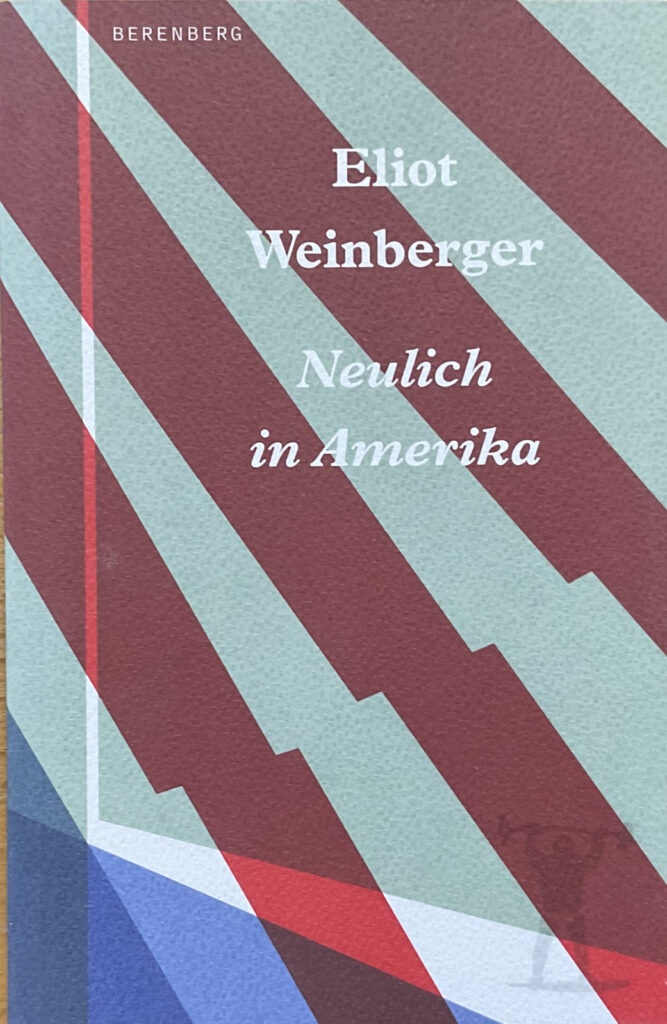
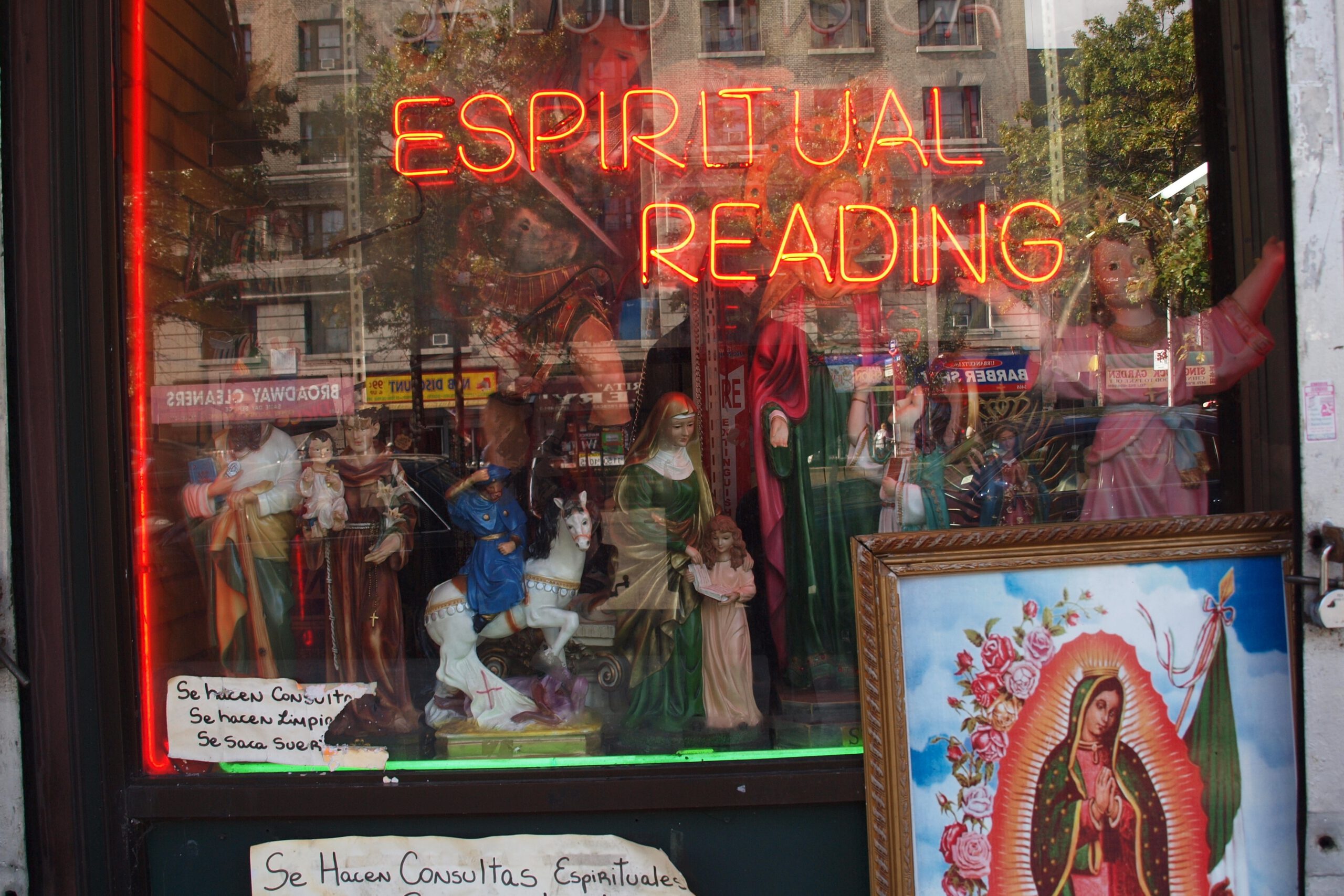
Inclusion as a practice of nationalism? Weinberger certainly thinks further. In his essay collection Oranges! Peanuts!, he writes about a new subject in the realm of literature: the postnational author. As Weinberger himself notes, the international impact of this author is no longer based solely on the use of the classic duo of world literature: the author (score) and the translator (interpretation). The post-national author may translate himself, even write in several languages, travel through cultures and, as we have seen, use New York as a hub for global writing that targets integrated literary markets around the world in English.
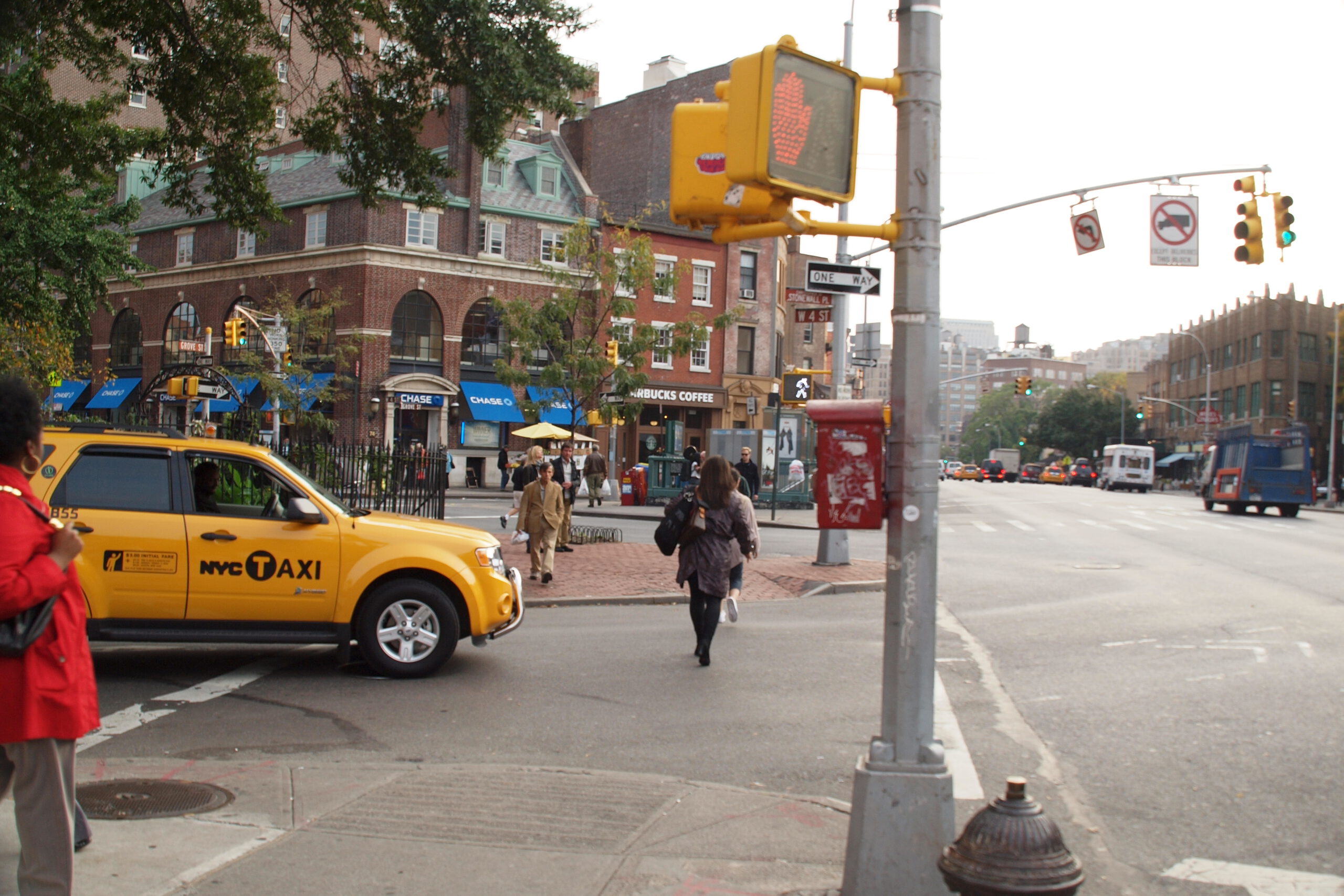
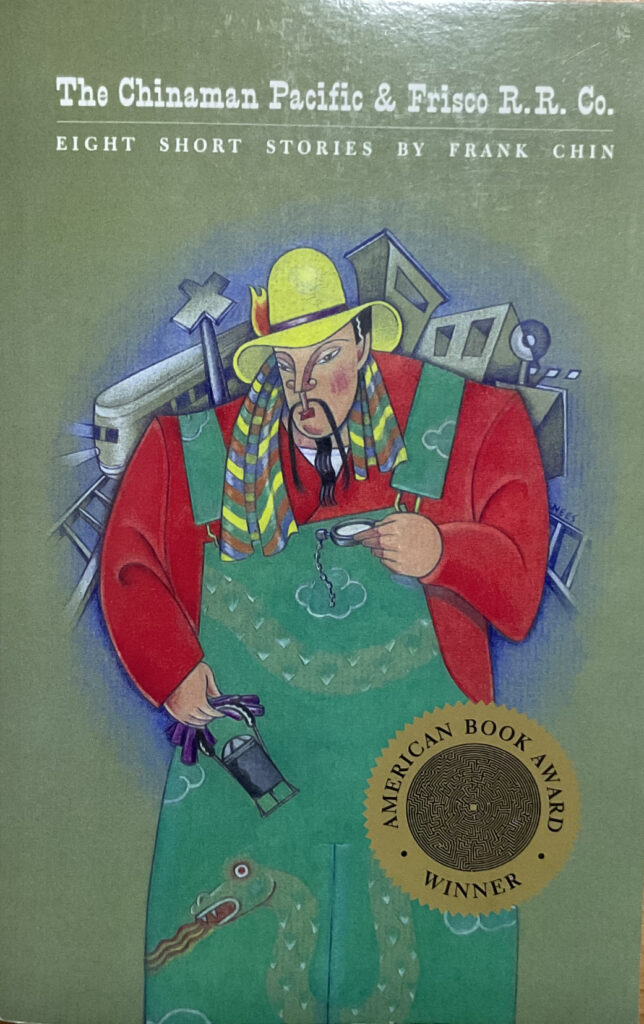
They are integrated, as in economics, science, and diplomacy, by means of English. In the global game, this goes a little further than a lamentable export surplus of American cultural goods, as Esther Allen of Baruch College in Greenwich Village points out:
„Translations into English don’t just serve native English speakers. English is the language of global communication. Only when a Korean sociologist is translated into English can his colleagues in Thailand, Japan, and China read him. And that is perhaps much more important for these colleagues than for those in America or England. He wants to be translated into English so that his colleagues in his region can read him, because their second language is usually English. Translation into English is the key.“
Esther Allen teaches translation at Baruch College in New York with students from over 100 languages and is involved in the American P.E.N. and the international literature festival „World Voices“ in Brooklyn. She strongly suspects that the old terminology is no longer very useful:
„I haven’t formulated this very precisely for myself yet, and it might sound a little radical now. But I believe that in the accelerated globalization of our time, the term ‚immigrant‘ no longer gets us very far, at least not in its previous usage. For all of us, ‚the immigrant‘ was someone who had left a culture behind, who had entered a new and foreign culture that was very alien to them, but which they had to adopt and conform to.“
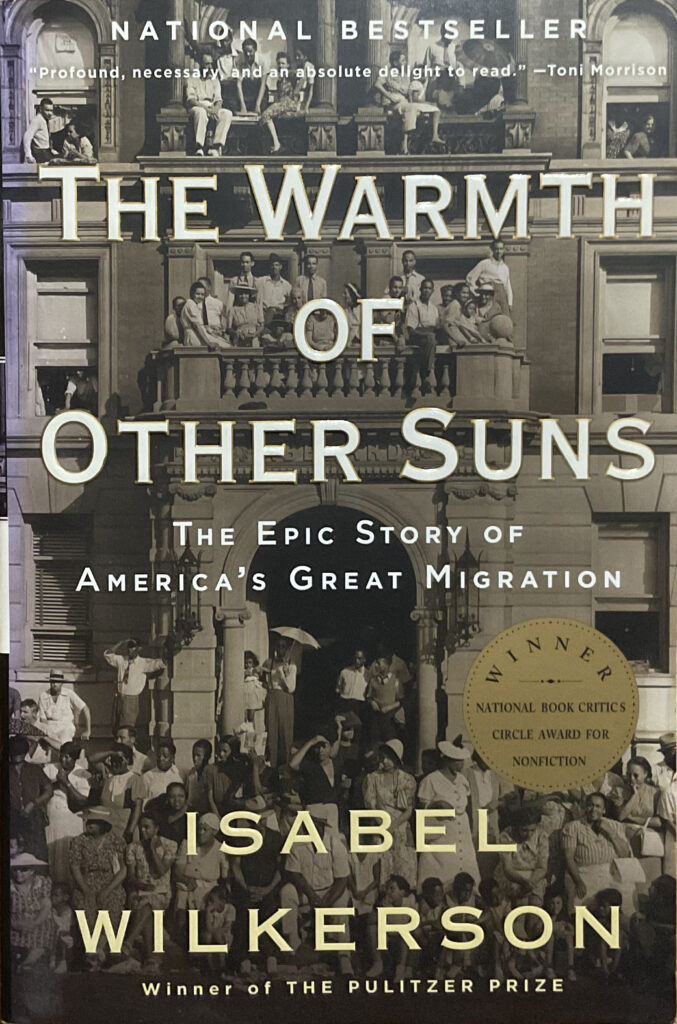
Today, we have reached a point where, for example, a Chinese person in Chinatown does not have to be aware that he is not in China. Not only does he organize his life locally within his own community, but he also finds his entire symbolic culture in Chinese via the Internet:
„I can do this anywhere in the world; all I need is a computer terminal and the Internet. Then I have all the information in my native language, there is unlimited access to everything that happens in my language. So when we get to that point, what kind of immigrant is that?“
Esther Allen asks a question of global relevance. It is known to be discussed in every nation or cultural region. At the same time, fueling superficial fears is one of the deliberately mindless reactions of strategic political profiteers. It would be somewhat more intelligent to learn from a city that Eliot Weinberger describes as „America’s reparations payment to the world.“ And in this sense, one also learns from American immigrant writers, whose international success means something more than a fig leaf for the hegemonic aspirations of the Anglo-American literary market.
Reading Across the Border
Literary critic John Freeman is not a local patriot. He comes from the West, but has no doubts about New York’s advantages:
„You must never forget: New York is not America. It is a deviation from America. America is a country of immigrants, but here in New York, the population is extremely diverse and cosmopolitan.“
Freeman currently works as editor-in-chief for the London-based literary magazine Granta, which, like LETTRE, has an international presence in several countries. Although Granta is a traditional Anglo-American magazine with roots in 19th-century academia, it discovered and promoted the authors of so-called New British Fiction early on: Salman Rushdie, Tariq Ali, Amitav Gosh, Monica Ali, and Hanif Kureishi are just the better-known names. Today, the magazine is an open forum for globalized literature in America, and Freeman defends his readers:
„The United States is a multicultural society and a country where people read beyond borders. But even in a multicultural society, things can be provincial. If people only want to read about the experiences of their own ethnic group, then they are not reading beyond borders.“
Immigration of books
We took the following pictures at the publishing house New Directions, where we interviewd the publisher Barbara Epler. New Directions is famous for its high quality translations from many languages in the world. This also a kind of immigration, but as we learned from Barbara Epler, the tradition of translations into English is by far not there where it could be.
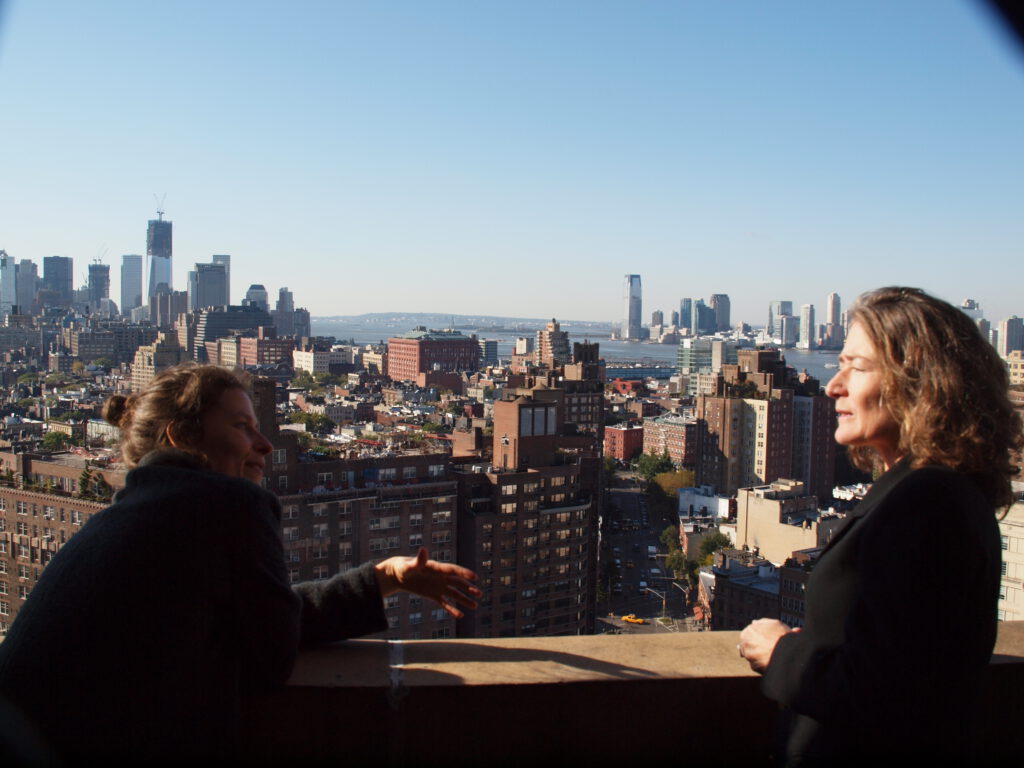
Reading across the border sounds good. It sounds much better than all the worn-out terms from the land registry office of the guardians of culture with their weaponized nominalizations: cosmopolitan, multiculturalism, dominant culture, integration, assimilation, etc.
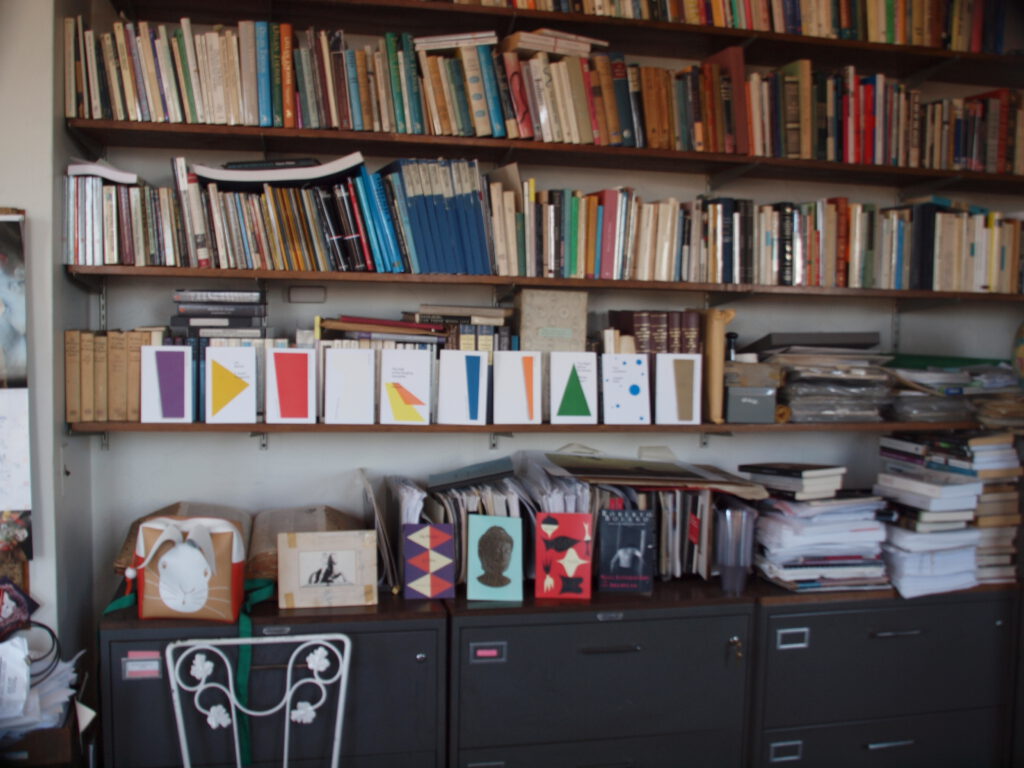

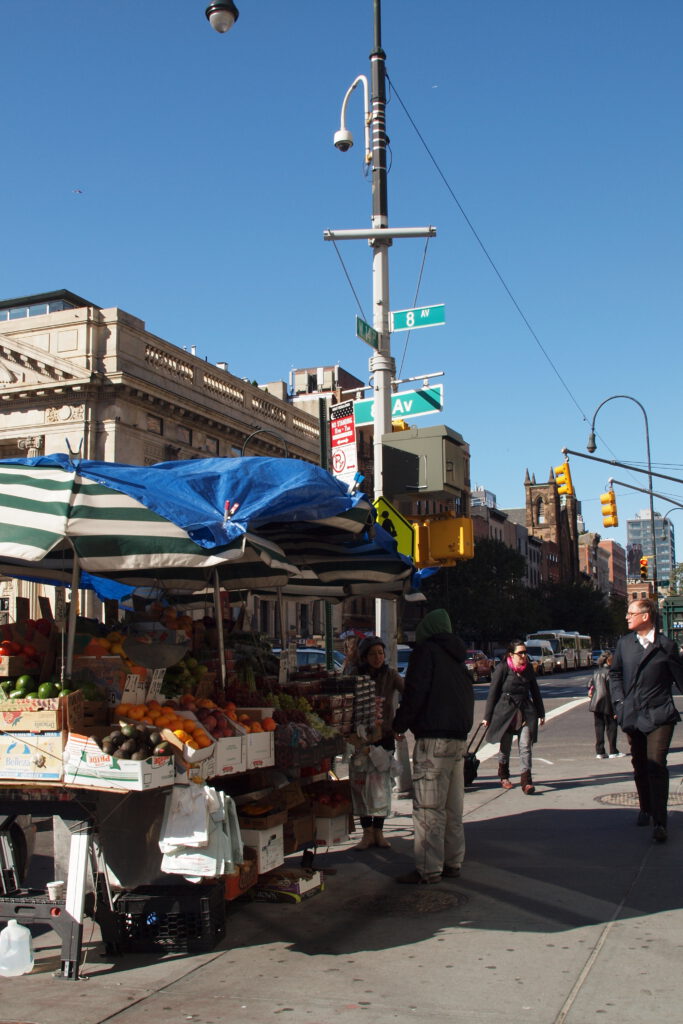

But perhaps the alternative talk of globalized citizens and post-national authors obscures certain facts. For example, that the political, economic, and military power of the United States has played a significant role in the emergence of immigrant society in the US and around the world.
You have to overcome the clichés
This historical dialectic is certainly considered in the literary works of the authors discussed here. A writer like Edwidge Danticat, who came to Brooklyn from Haiti at the age of twelve, is well aware of the American government’s involvement in the Duvalier affair and writes about it with a highly developed literary sensibility.
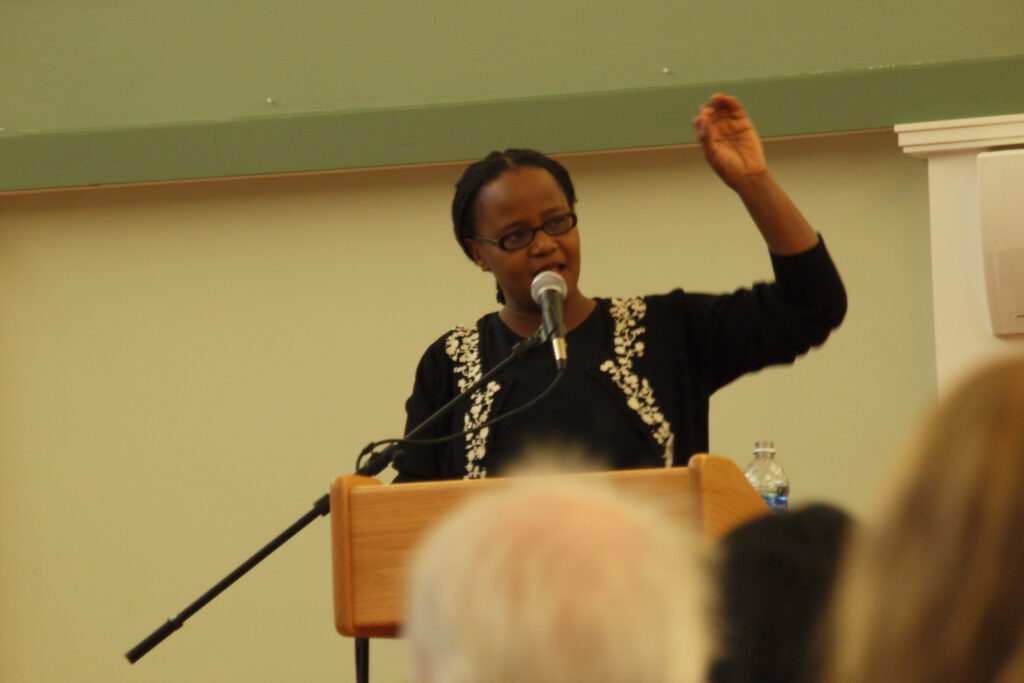
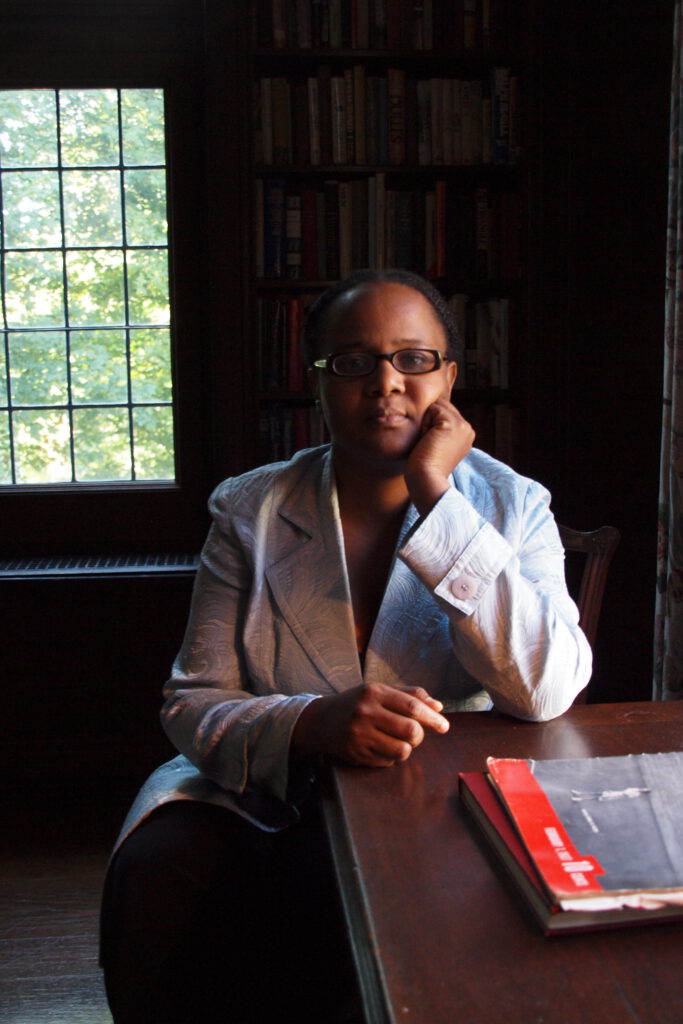

Edwidge Danticat still adheres to the old-fashioned model:
„I consider myself Haitian-American, and I am often referred to as a Haitian-American writer. I have no problem with that, nor with the terms immigrant writer or feminist writer. Just as we are all different people, we can also be different kinds of writers.“
But when it comes to immigrants, she says, whether they are writers or not, they go where „their people“ are. She once came to Brooklyn because her people live there, her family and all the other immigrants from Haiti.
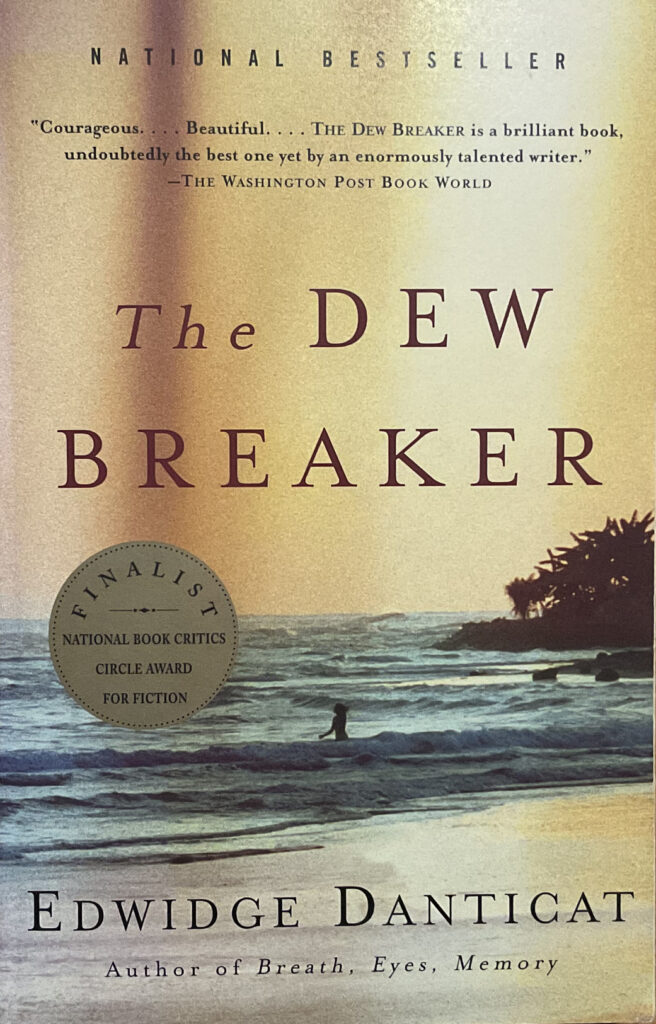
Today she lives in Miami in a neighborhood called Little Haiti, where she teaches creative writing and is involved in the community not only for family reasons. For her, literature and the creative writing project are a way out of political immaturity and the ghetto. This path requires effort and costs more than just tuition:
„For example, when you enter a mainstream program like the City University of New York and meet older people in your class who are encountering someone from your immigrant group for the first time, you are suddenly challenged to represent or defend your race or your country. You arrive in a foreign country at a young age and at the same time have to try to understand your own country.“
This is the first major challenge in an immigrant’s educational project, wherever they choose to make their life. But when you succeed they invite you to Poughkeepsie for a well payed talk about writing and rights.
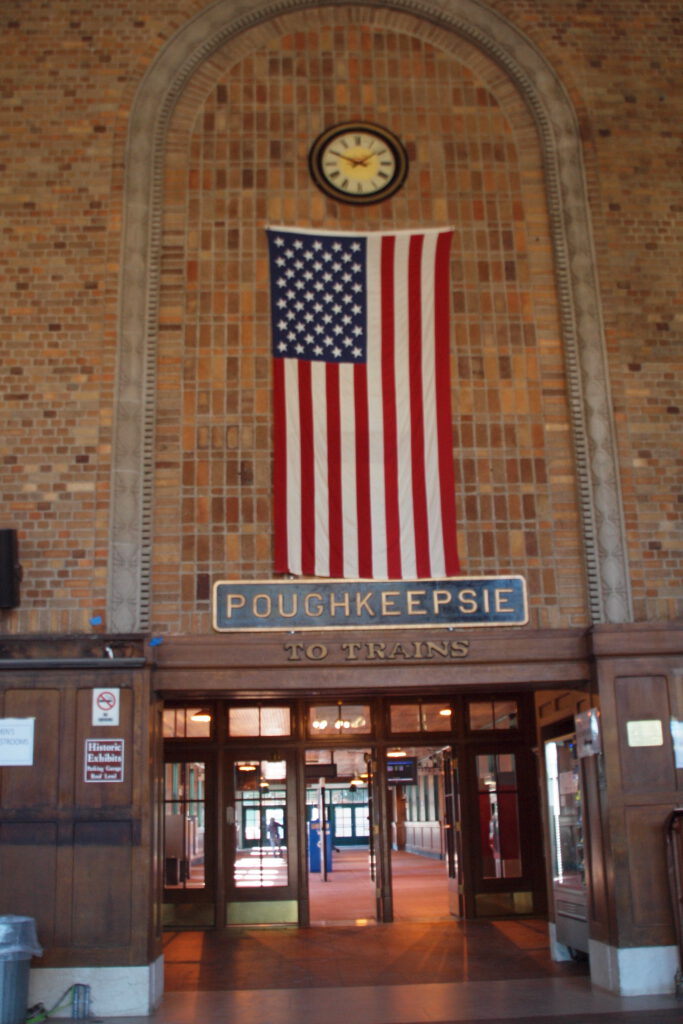
It is a far-reaching experience of self-empowerment, but, as Danticat shows, it does not work without solidarity. And the courage to rise requires skill and perseverance:
„Because you have to overcome the clichés in people’s minds at the same time. But that is the task of writers anyway, whether they are immigrants or not.“