
By Martin Zähringer and Jane Tversted
First published in German in the magazine Kommune, 2013
„It is the entire Greenlandic people who have ownership rights to the values bound up in the natural resources in Greenland’s soil, while private companies locate, exploit, and sell the resources. In the area of raw materials, overarching resource levies are to be established so that profits are distributed between the state coffers and private companies according to a fair distribution formula. Furthermore, the levies should not provide any incentive to influence the exploration and exploitation of raw materials in an unfavorable direction.“
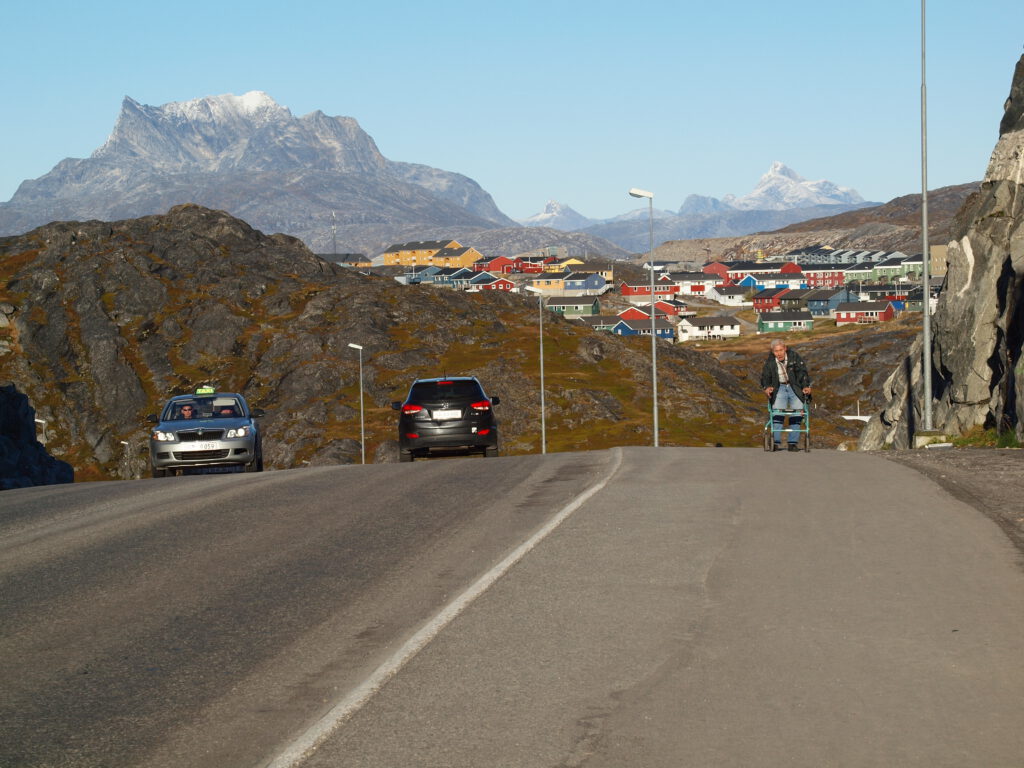
Action Plan 2025
The IA, as the first governing party in the Selvstyret era, together with its social-liberal coalition partner „DEMOKRATERNE“ (internally: „Danish Party,“ founded in 2003), has seized a historic moment. After 30 years of close alignment with Denmark, the focus is now on setting the course for a self-determined future and opening up to the world. The impression in fall 2012 is that this policy for the future can only be shaped with a growing and increasingly self-confident civil society.
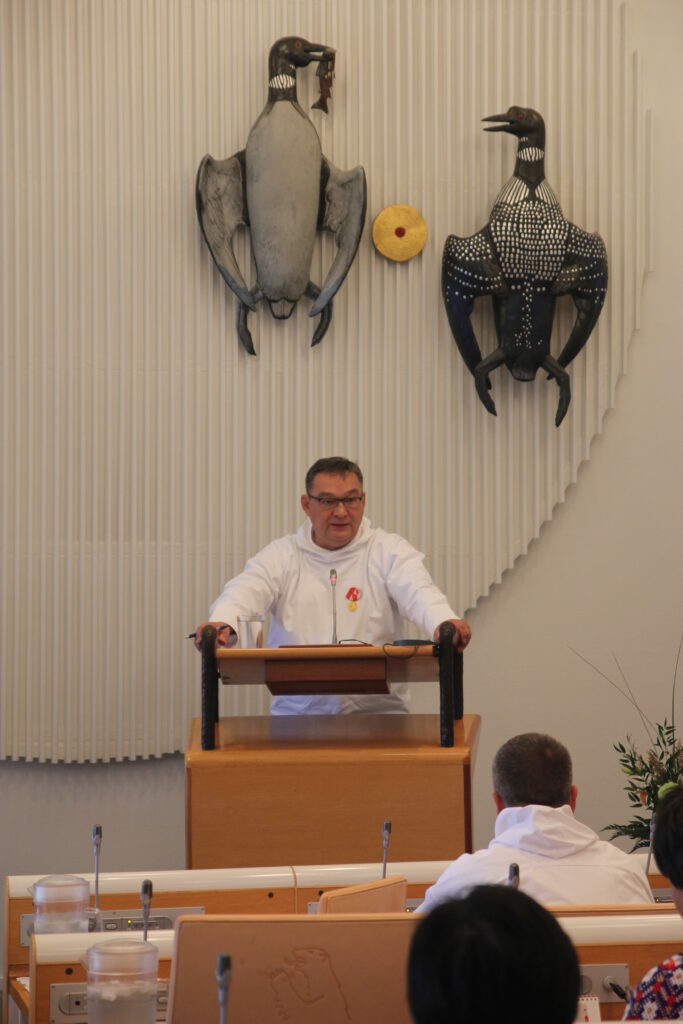
Kuupik Kleist of the IA, who was in charge of drafting the Selvstyre agreements, is now chairman of the NAALAKKERSUISUT (national government). In his opening speech at the 2012 autumn session of the national parliament, he explained that it was understandable for citizens to express their concerns about the government’s raw materials policy.
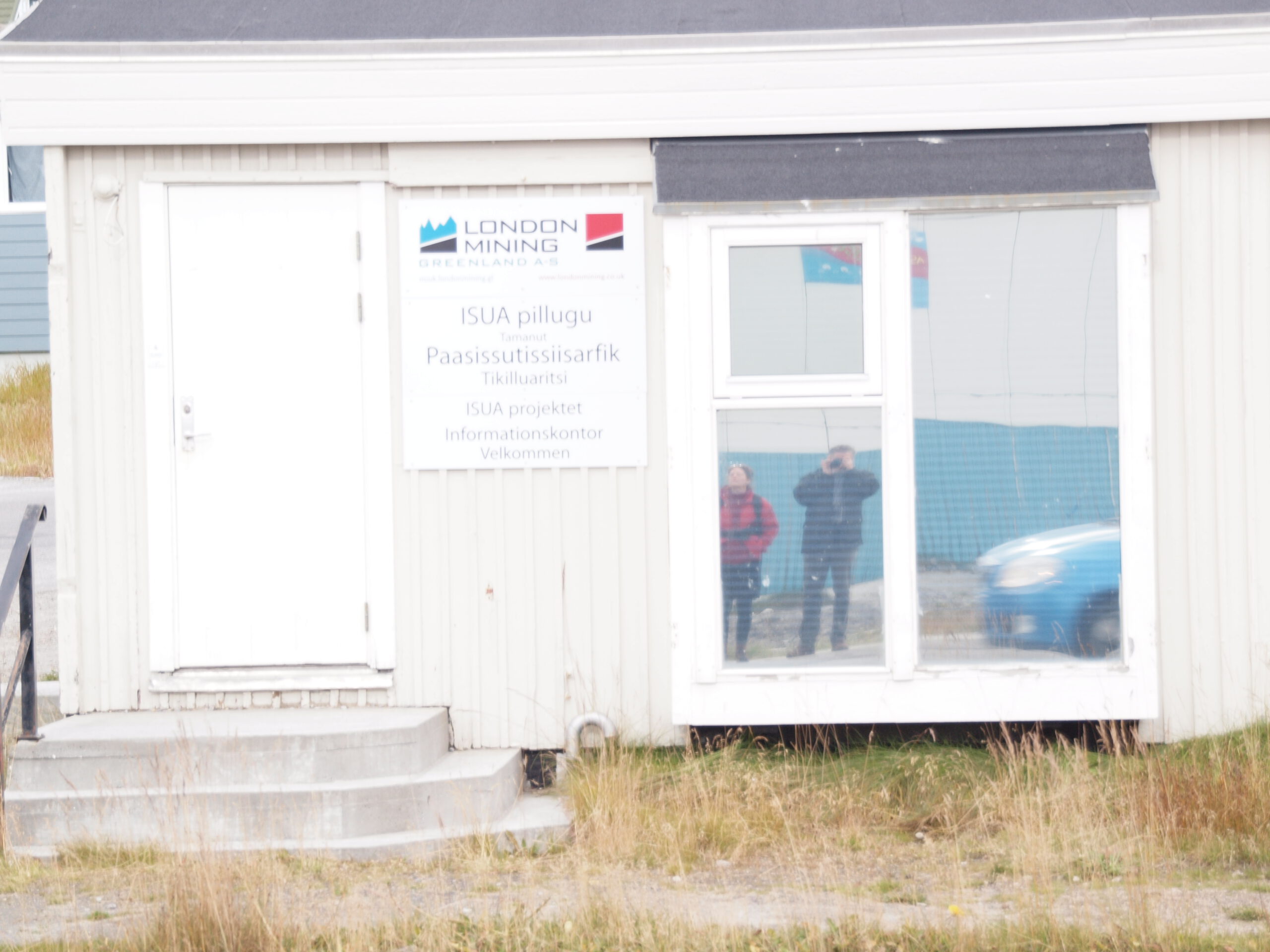
After all, up to 3,000 workers are expected to live near Nuuk for up to three years during the construction phase of the LONDON MINING iron ore project. In addition to the relatively few locals who could find employment during this phase, these will mainly be Chinese workers.
On the one hand, the Chinese pose challenges for the infrastructure and social life in Nuuk, with its approximately 17,000 inhabitants, unless they are isolated in local housing camps. On the other hand, they threaten the wage structure in the country. The government’s line seems clear:
„Naalakkersuisut considers it crucial that developments in the raw materials sector are accompanied by the reforms described in the 2025 action plan. Large-scale projects [Danish: „Storskalaprojekter“] are necessary for the creation of jobs and training; we cannot stand alone. Because if we want to reap the benefits of raw material extraction in the long term, then the main thing is to create jobs, to broaden the narrow shoulders a little by allowing people to move from low-wage jobs to better-paid jobs.“
The 2025 Action Plan is the coalition government’s major reform project. It aims to create a sustainable economy based on fishing and fishing, raw materials, and tourism. The aim is to reduce Denmark’s block grant from 45.6% to 41.9% in 2025. Unlike visions of faster independence, this sounds realistic.
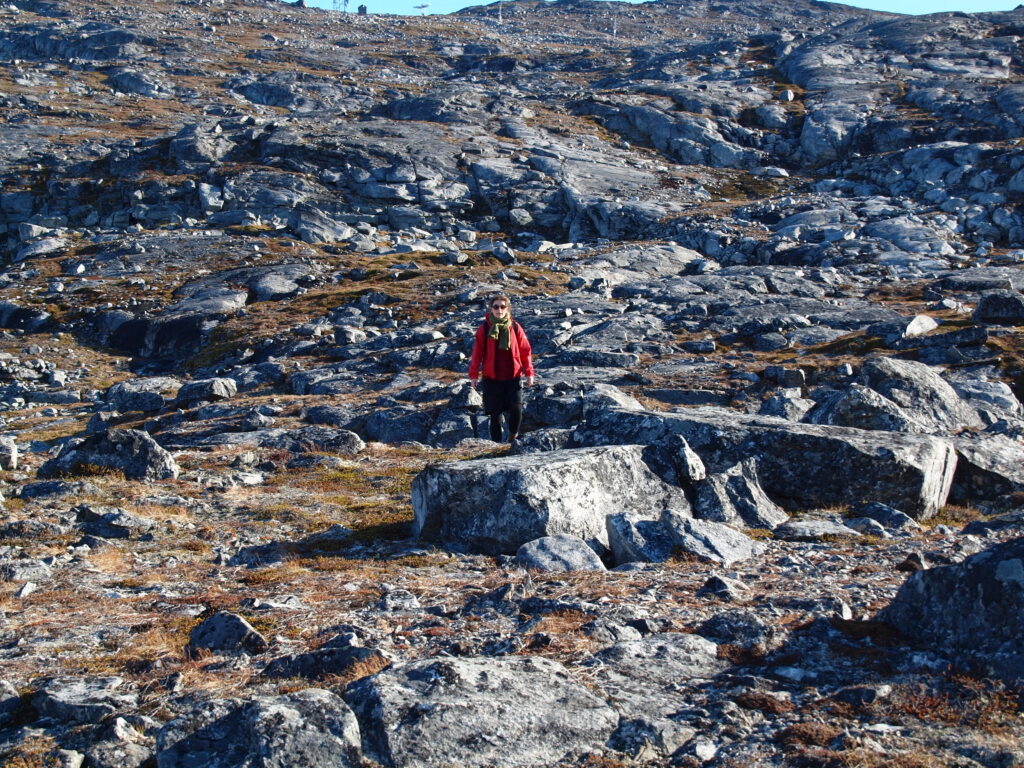
Raw materials industry: curse or blessing
However, minerals and iron ore, or resources such as water, are raising acute political hopes for a sustainable budget. This is particularly interesting for a financial and economic assessment of Selvstyre by international donors. It would be no small matter if the government, as representative of the collective owners, could invest a few billion in Greenland’s oil fields when the time comes.
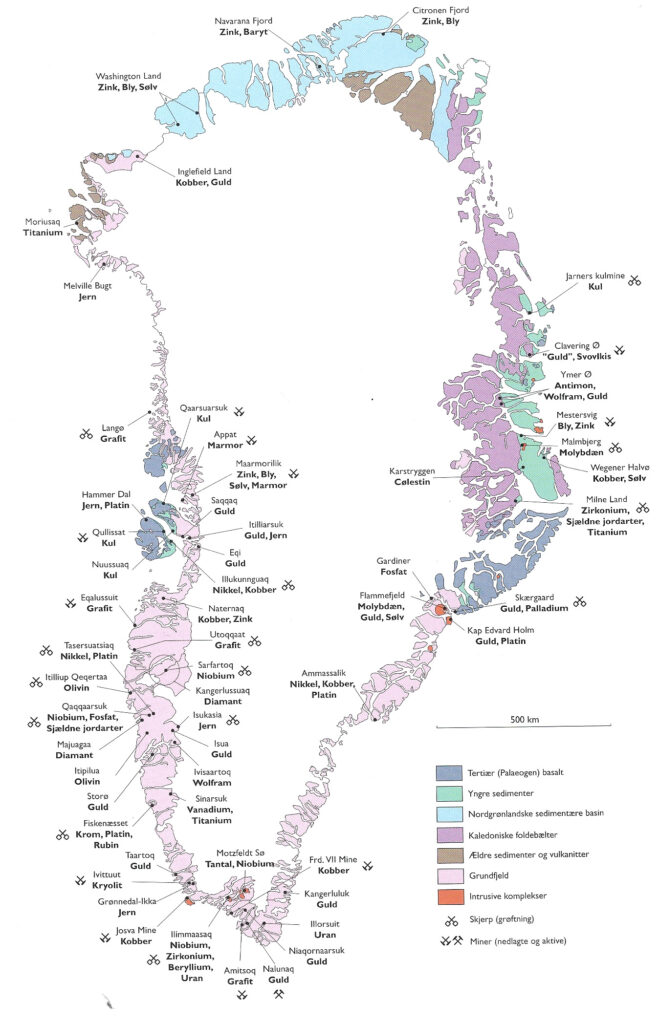
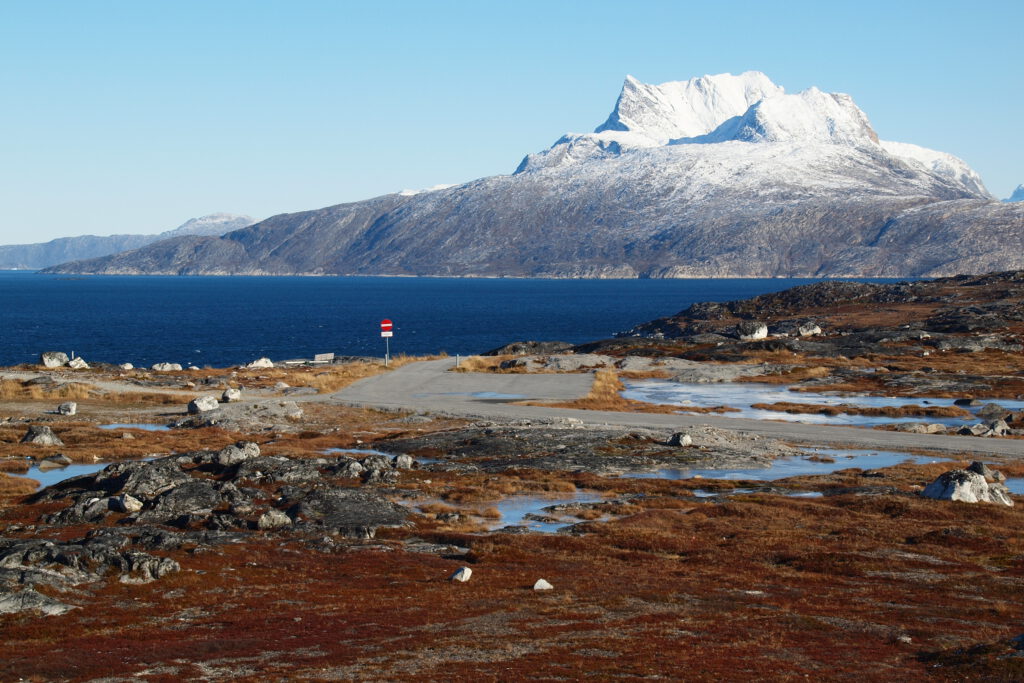
In the long term, there are large oil reserves on Greenland’s west and northeast coasts, the true extent of which can only be estimated at this point. Concessions for test drilling have already been granted over large areas, and by 2011, test drilling by the Scottish company CAIRN – and others before it – had already brought a few hundred million kroner in tax revenue into the state coffers. The 2025 action plan states:
„It is the entire Greenlandic people who have ownership rights to the values bound up in the natural resources in Greenland’s soil, while private companies locate, exploit, and sell the resources. In the area of raw materials, overarching resource levies are to be established so that profits are distributed between the state coffers and private companies according to a fair distribution formula. Furthermore, the levies should not provide any incentive to influence the exploration and exploitation of raw materials in an unfavorable direction.“
The last sentence is interesting. It is a somewhat cryptic expression for an economic policy strategy that has currently embroiled the government in a heated debate. Naalakkersuisut is currently preparing its own raw materials law for the so-called Storskala projects, which, in the view of many observers, will grant special rights to foreign investors.
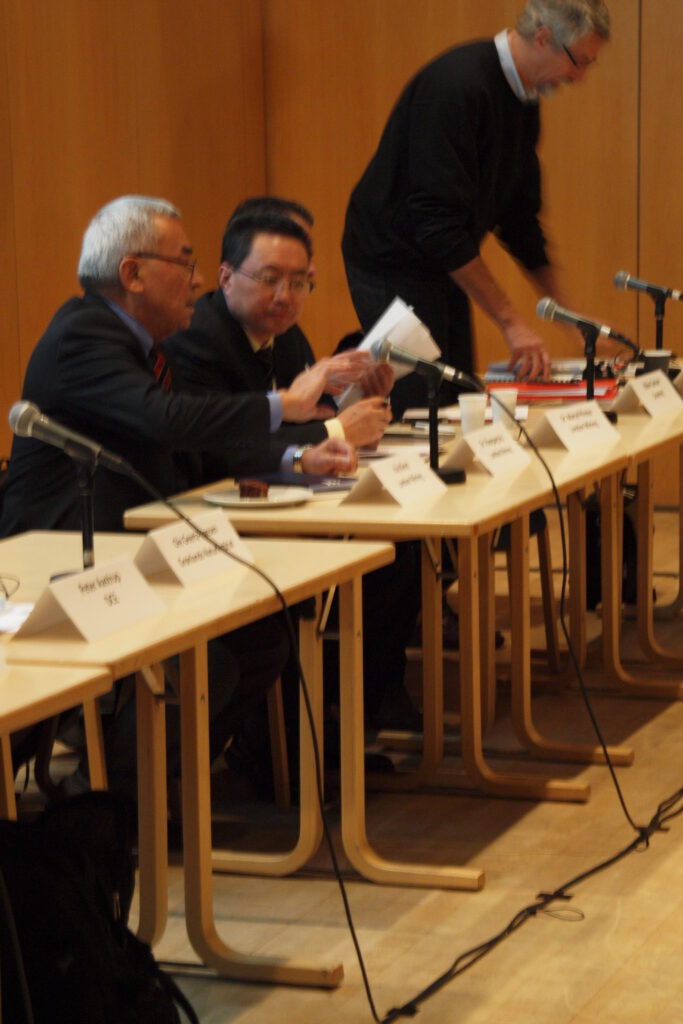
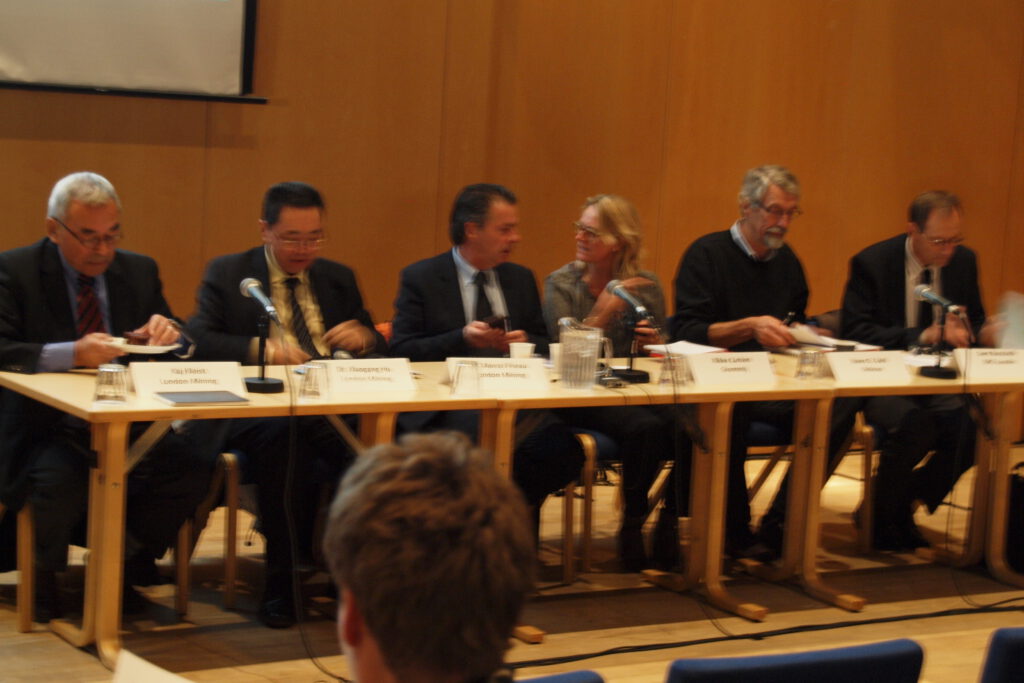
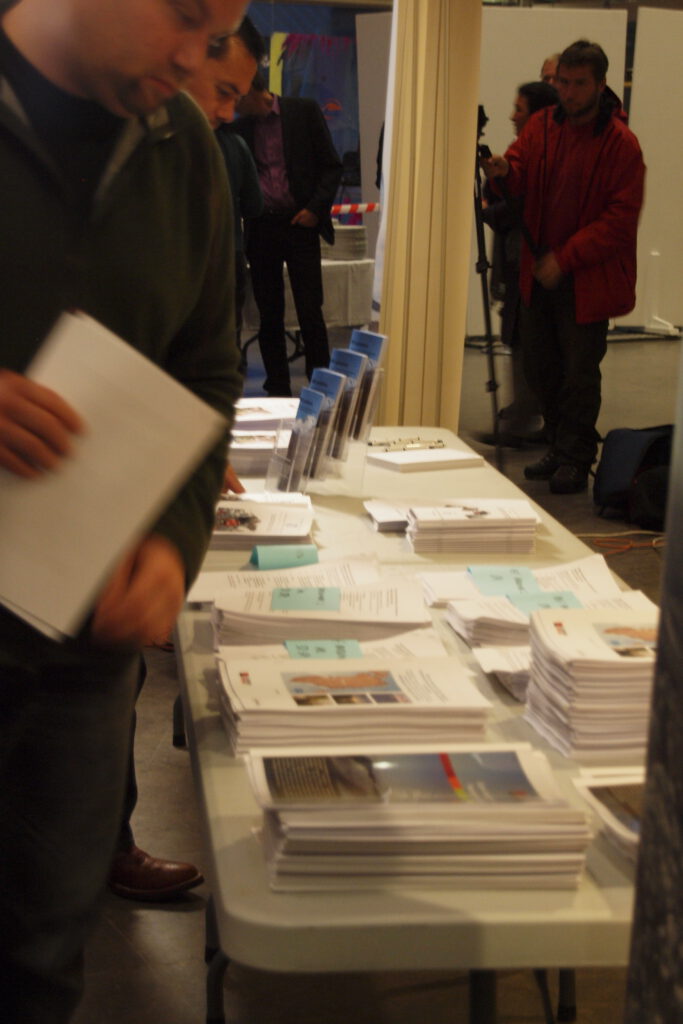
This is arousing mistrust and unease, even though London Mining’s Greenland representative, Dr. Xiaogang Hu, says he has to pay above the minimum wage anyway because skilled workers competent for this work can choose where they want to work. The government, on the other hand, is accused in Greenland of being too influenced by the competitive argument of corporations, which allegedly have enough locations around the world to choose from and can select the best conditions.
„Urani – Naamik!“
Aleqa Hammond seems to take a pragmatic view of the environmental downside. On the one hand, unlike the government, which is initially focusing on the employment factor with corresponding additional tax revenue, she is calling for direct levies on corporate revenues („royalties“). But in the big poker game over mineral resources, she and her party are also betting on the elimination of the so-called zero-tolerance policy. According to Danish law, this zero tolerance applies to any mining of uranium, even as a by-product.
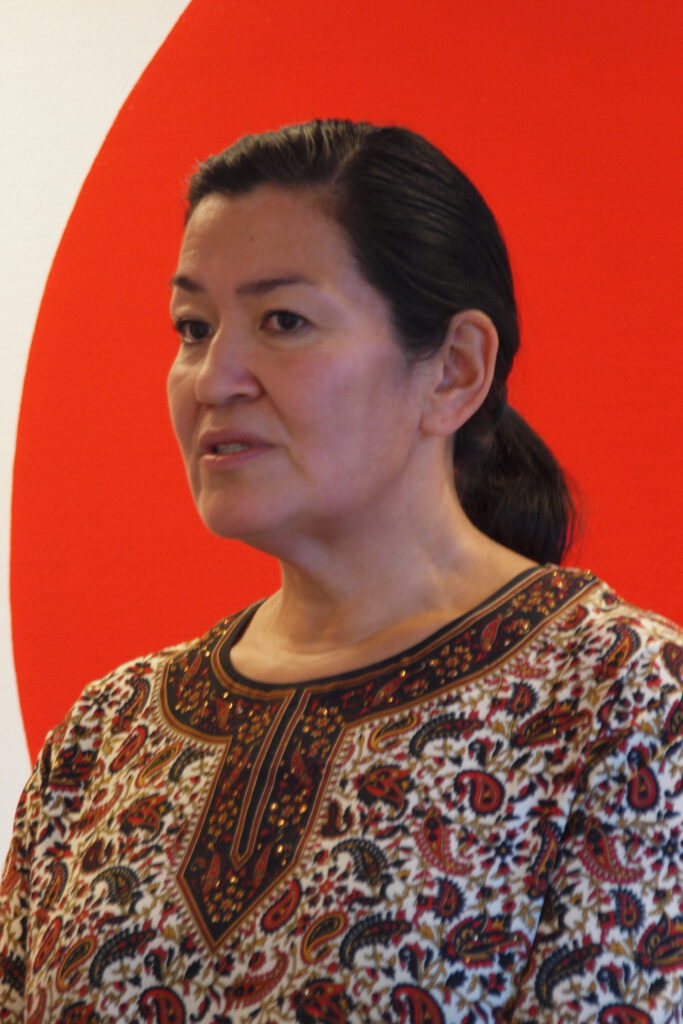
However, uranium would be a by-product in one of the most strategically important raw material projects in southern Greenland, the Kvanefjeldet mining project. Alongside London Mining’s open-pit mine and a gigantic aluminum smelter owned by the well-known company ALCOA, it is the most important local project in the raw materials sector. The business idea is the mining of rare earths, as proposed by the company Greenland Minerals and Energy.
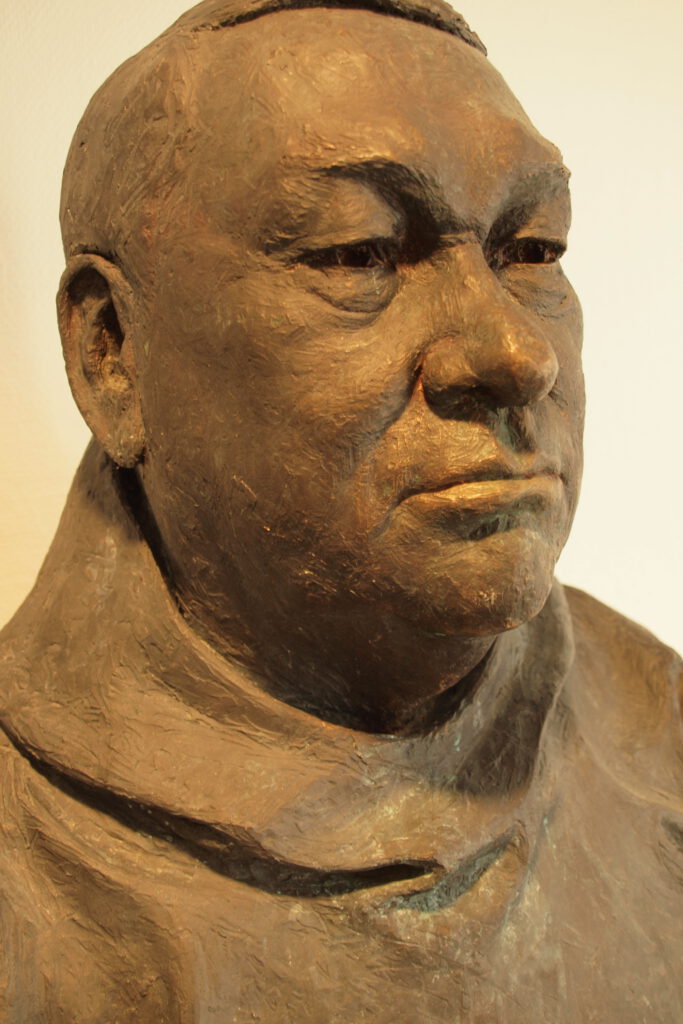
Its chairman in Greenland was Lars Emil Johansen, a man with more than three decades of experience in power. He was a member of the Folketinget, deputy CEO of Royal Greenland, a member of the board of the Greenlandic National Bank, chairman of the provincial government, and more. He is the last surviving member of the three polar bears who, as political veterans of the Siumut party, determined the course of events. This political polar bear most recently attracted attention when, after a short period as deputy CEO of Royal Greenland, he resigned from his unsuccessful position with a severance payment of several million kroner.
One can guess what Aqqaluk Lynge, who is experienced in these matters, means when he assesses the role of the current opposition in the political structure:
„There is actually no real opposition. Because those who should be in the opposition are now only seeing their old plans realized.“
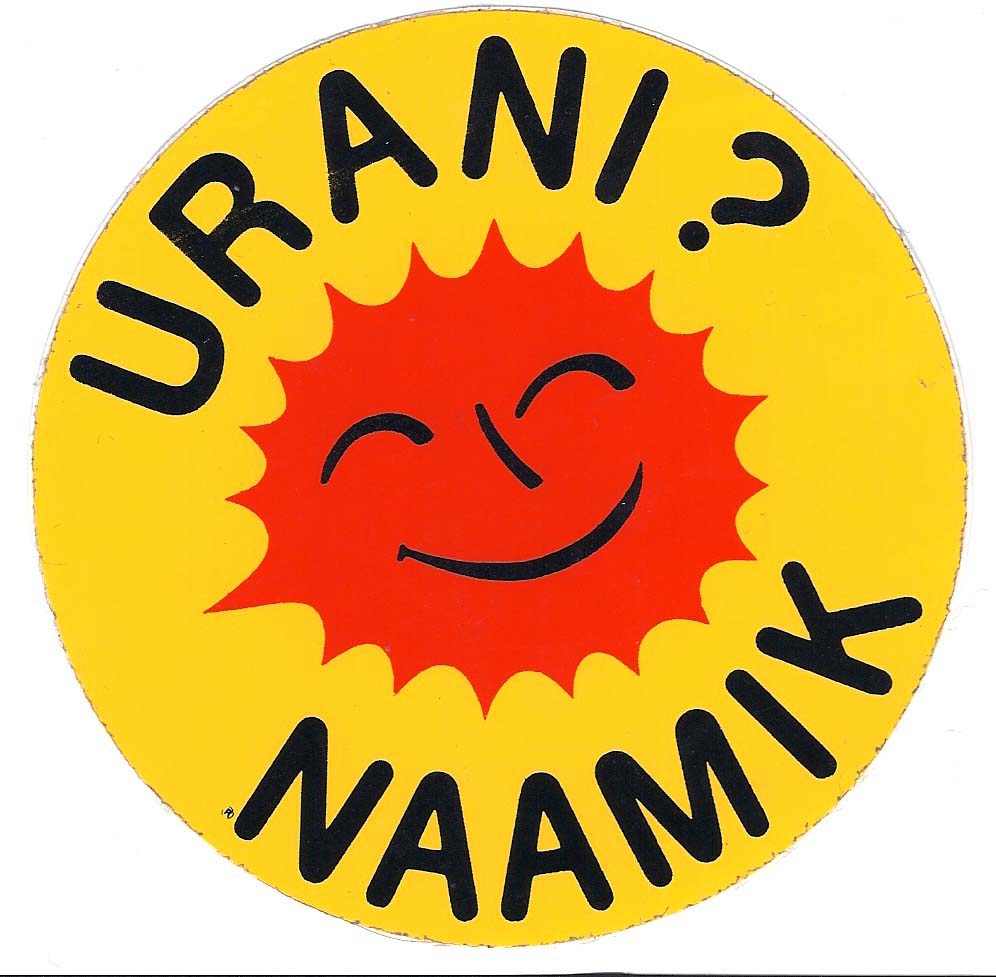
But opinions are divided on Kvanefjeldet. For some, the dream of economic independence is coming closer, while others insist on their principles and risk losing significant income for the country. Johan Lund Olsen, in any case, is handing out the familiar bright yellow stickers with the smiling sun and the slogan: „Urani – naamik!“
Climate change as an advantage
Minik Rosing, a geography professor of Greenlandic origin who lives and teaches in Denmark, has a complex view of raw materials. It is not enough to consider a deposit from a geological perspective alone. A deposit is only economically interesting if the geological, technological, and sociological circumstances are right. He explained this in detail in May 2012 at a raw materials conference in Copenhagen, which was organized by the IA and led by Sara Olsvig.
Raw materials also include water, which can be used for energy throughout Greenland, prompting the US-registered aluminum company ALCOA to come up with a project idea in West Greenland. ALCOA wants to build an aluminum smelter near Maniitsoq because the energy generated by the nearby lakes is lucrative. So lucrative, in fact, that it is worth shipping the raw material from Brazil to Greenland to be processed into aluminum.
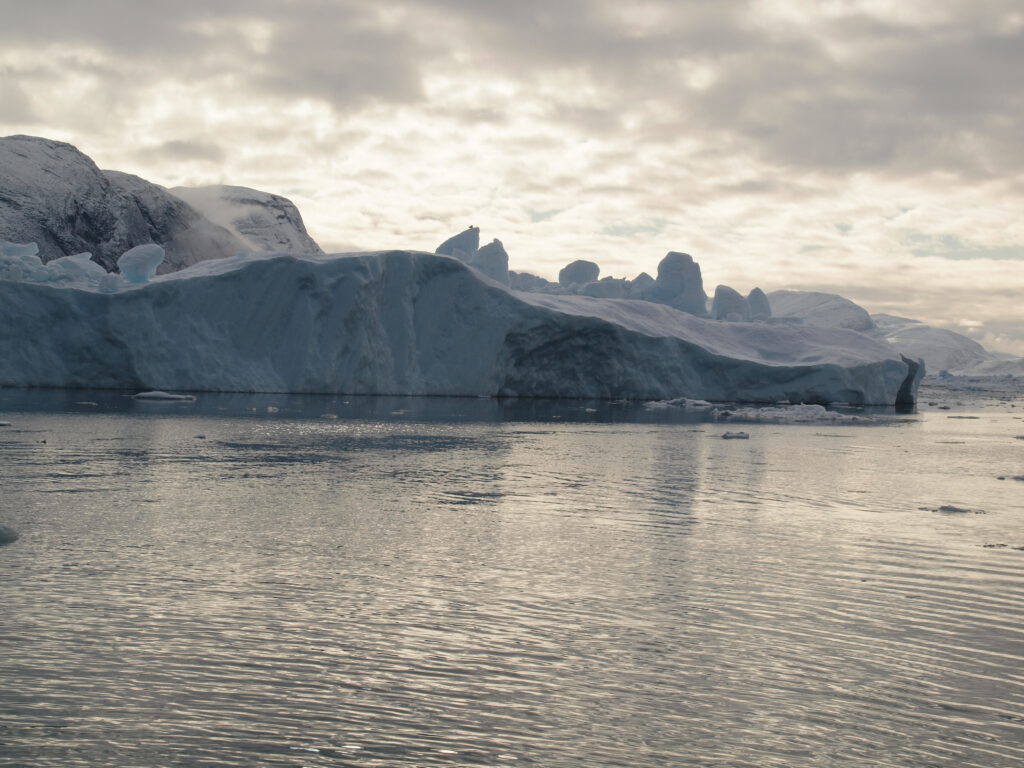
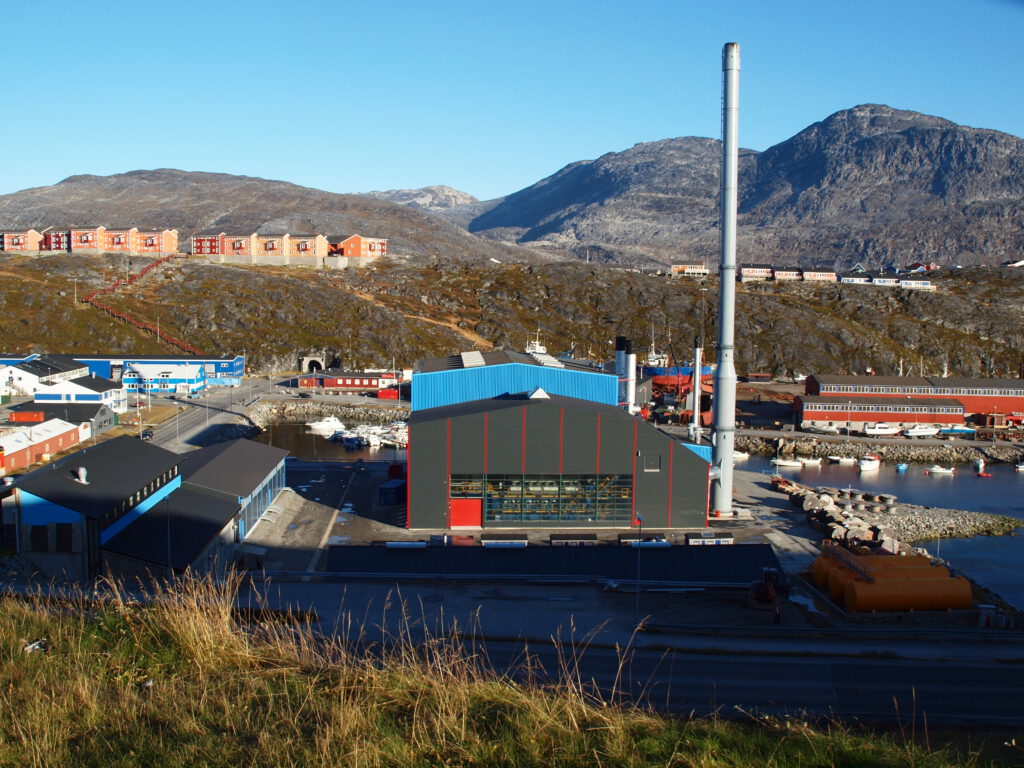
The technological requirements do not pose any insurmountable problems. A gigantic open-cast mine is to be built in Isukasia near Nuuk, which will even extend into the inland ice. Building a hundred kilometers of roads and pipelines to a specially constructed port in Nuuk Fjord is no problem, and giant container ships will transport the ore directly to China. Other ships will bring millions of liters of diesel fuel, as the energy for the operation will come from two diesel power plants, which unfortunately would also double Greenland’s CO2 emissions.
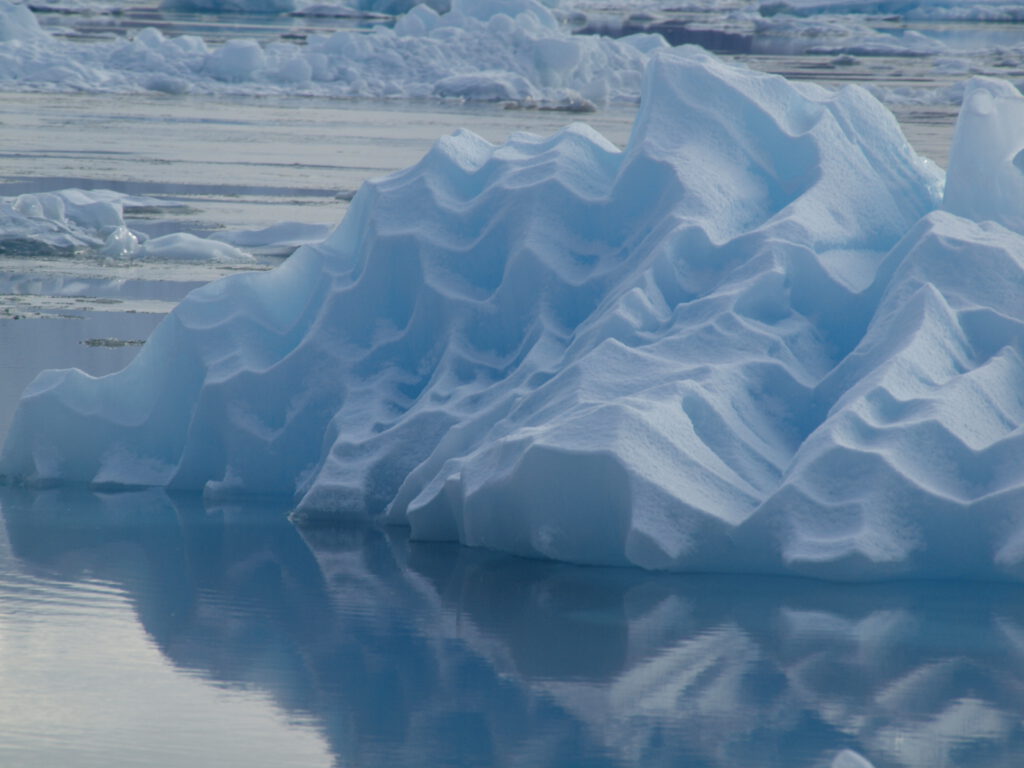
What poses an existential threat to the hunters and their way of life is seen differently by global players: the Arctic offers incredible advantages for future trade. The earlier melting of sea ice opens up larger time windows for the usability of the Northwest Passage as well as for the principle use of the Northeast Passage. Similarly, there are longer periods for inter-Arctic shipping, which benefits tourism as well as Greenland’s trade with Denmark or, should the opening trends continue, with other countries and regions.
Environmental protection and civil society
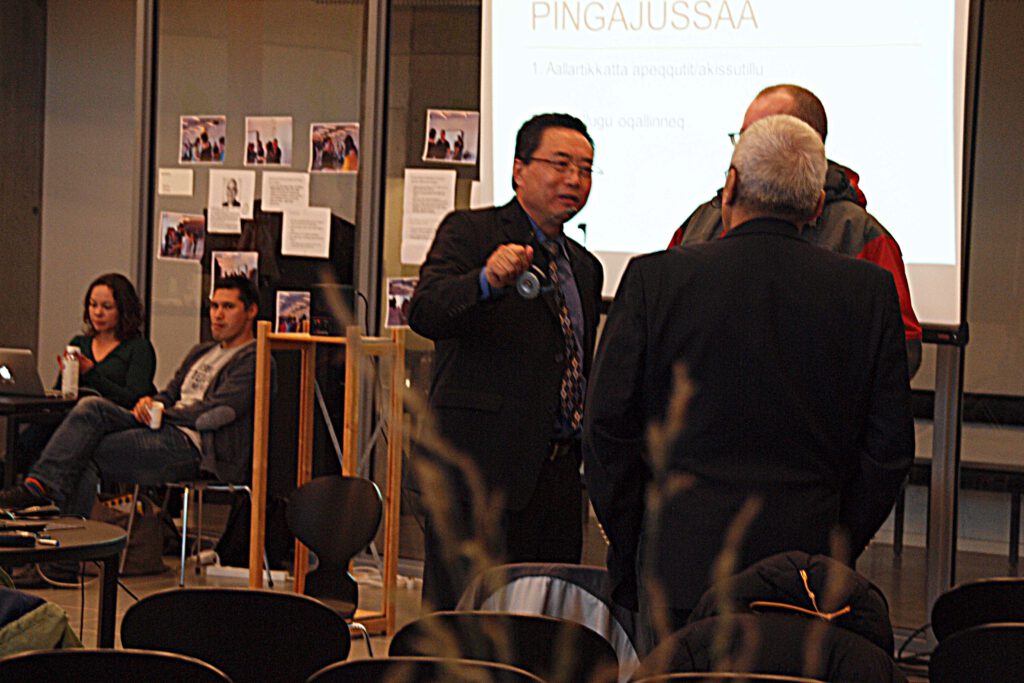
In Nuuk in the fall, it was possible to see how cooperation between the government, corporations, and the local population affected by a project in Greenland. London Mining, under the leadership of Nuuk-based Kompetence Kompagniet, organized the last two in a series of public hearings. There were some technical problems with the organization, not least due to the mandatory bilingualism with Greenlandic (KALAALLISUT) and Danish, which was further complicated here by an additional English dimension.
London Mining’s Chinese head of Greenland, together with the expert group ORBICON hired by his company, interpreted the required environmental and social impact studies. The government had commissioned the Nuuk-based GRØNLANDS NATURINSTITUT and the Danish environmental research institute DMU to provide independent expert opinions.
However, the presentations at these hearings, which were required under international law, did not go so smoothly. This was because the hearings attracted a growing audience, which soon turned out to be well-informed co-players. They were informed not so much by the hired experts or the media, but by their own critical engagement. ICC, the environmental group AVATAQ, „Friends of Nuuk Fjord,“ the fishermen and hunters association KNAPK, and the milieu surrounding the academic GREENLAND CLIMATE RESEARCH CENTER and Greenland’s Natural Institute obviously form the critical mass for a slowly activating civil society.
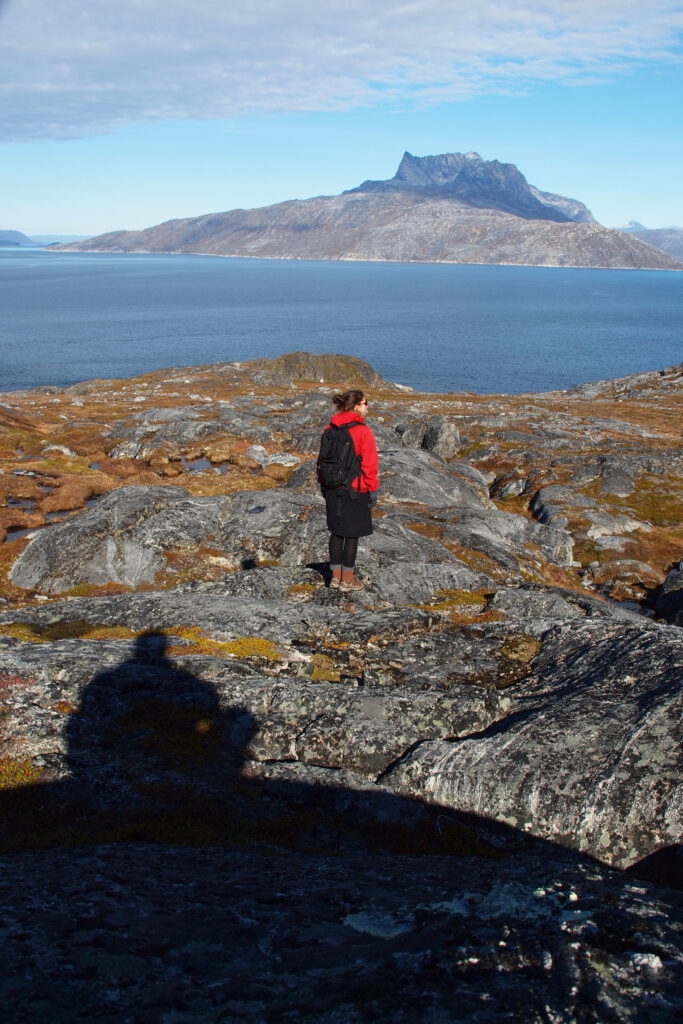
The Greenlandic media also gradually became more involved in the debate. It remains to be seen what will become of the already openly discussed blockades of London Mining’s supply ships in the fabulously beautiful fjord of Nuuk. At least until the Greenlandic government probably before the election in spring 2013, has decided on London Mining’s application.
Addendum 2026
The iron ore project in Nuuk Fjord was never realized. London Mining went bankrupt in 2014 after iron ore prices fell by 40%.
The Greenlandic party Inuit Ataqatigiit (IA) won the elections in 2021 and passed a law prohibiting the search, exploration, and mining of uranium.
All photos Copyright Martin Zähringer